













Guide to Different Types of EV Batteries in the UAE


With goals like net-zero emissions by 2050, the UAE is investing in EV infrastructure, including charging stations in Dubai and Abu Dhabi. But what powers these EVs? The battery is the heart of any electric car. In this guide, we'll break down the different types of EV batteries in simple terms.
Main Types of EV Batteries
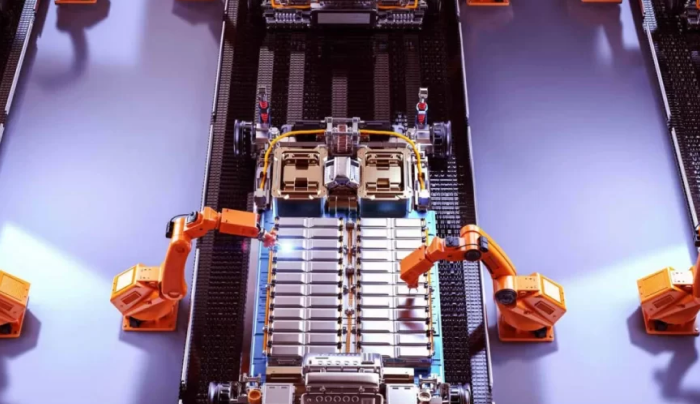
Here are the most common types used today.
1. Lithium-Ion (Li-Ion) Batteries
These are the most popular in EVs like the Tesla Model 3. They use lithium ions to move between electrodes.
- Pros: High energy density (holds more power in a small space), fast charging, long life (up to 10 years).
- Cons: Can overheat in extreme heat, higher cost, and needs careful recycling.
- UAE Fit: Great for daily drives in cities like Dubai. Many stations support fast charging for Li-Ion.
2. Lithium Iron Phosphate (LFP) Batteries
A type of Li-Ion, but safer with iron phosphate. Used in cars like the BYD Atto 3.
- Pros: Very safe (less fire risk), lasts longer (over 2,000 charge cycles), cheaper to make.
- Cons: Lower energy density (shorter range per charge), heavier.
- UAE Fit: Ideal for the hot climate since they handle heat better. Growing in affordable EVs here.
3. Nickel-Metal Hydride (NiMH) Batteries
Older tech, found in hybrids like the Toyota Prius. Uses nickel and metal hydride.
- Pros: Reliable, low cost, easy to recycle.
- Cons: Lower energy density (shorter range), slower charging, being phased out for pure EVs.
- UAE Fit: Mostly in hybrid cars, not as common in full EVs due to better options.
4. Solid-State Batteries
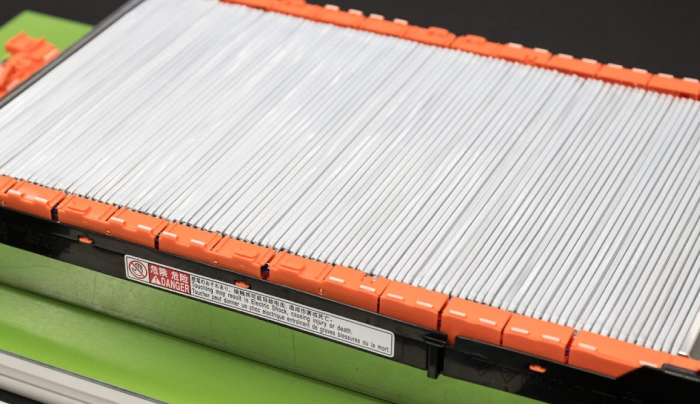
The future of EVs, using solid electrolytes instead of liquid. Toyota and others are testing them for a 2025-2026 release.
- Pros: Higher energy density (longer range, up to 500+ km), faster charging (under 10 minutes), safer.
- Cons: Still expensive, not widely available yet, and production challenges.
- UAE Fit: Expected to boom here with luxury EVs. UAE's R&D in tech could speed adoption.
5. Other Emerging Types
- Sodium-Ion Batteries: A Cheaper Alternative to Lithium, Using Sodium. Good for budget EVs, but lower performance.
- Lithium-Sulfur Batteries: Promise a very high range, but are still in labs.
Comparison of EV Battery Types
Here's a simple table to compare the main types:
Battery Type |
Energy Density (Wh/kg) |
Charge Time (to 80%) |
Lifespan (Cycles) |
Safety Level |
Best For UAE |
|
Lithium-Ion (Li-Ion) |
250-300 |
30-60 minutes |
1,000-2,000 |
Medium |
City driving, fast charge |
|
Lithium Iron Phosphate (LFP) |
150-200 |
40-70 minutes |
2,000-3,000 |
High |
Hot weather, affordability |
|
Nickel-Metal Hydride (NiMH) |
60-120 |
60-120 minutes |
1,500-2,500 |
High |
Hybrids, budget options |
|
Solid-State |
300-500 |
10-20 minutes |
1,000+ |
Very High |
Future luxury EVs |
Tips for Choosing an EV Battery in the UAE
- Check Range: Aim for 300+ km for long trips between cities.
- Heat Resistance: LFP or solid-state for UAE summers.
- Warranty: Most offer 8-10 years.
- Recycling: UAE has programs through DEWA for battery disposal.
- Incentives: Buy EVs with advanced batteries to get VAT exemptions.
Why EV Batteries Matter in the UAE
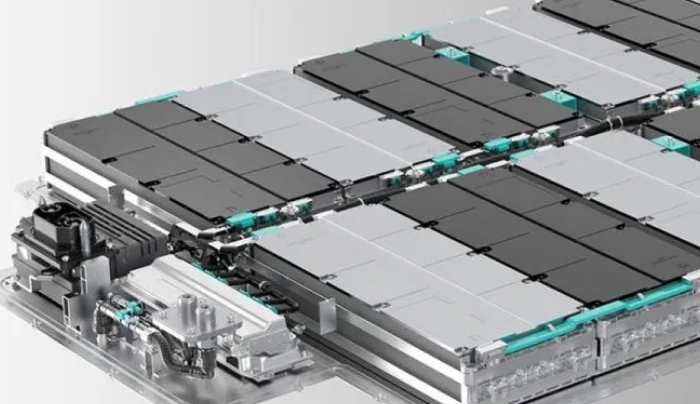
In UAE, batteries need to handle high temperatures without losing power. The government offers perks like free charging and parking for EVs, making them a smart choice.
As of 2025, EV sales in the UAE are growing fast, with models from Tesla, Porsche, and local brands using advanced batteries. Knowing the types can help you pick one that lasts longer and charges quicker in the desert heat.
FAQs
What is the best EV battery type for the UAE climate?
LFP batteries are best for hot weather as they don't overheat easily and last longer in high temperatures.
How long do EV batteries last?
Most last 8-15 years or 100,000-200,000 km, depending on type and use. In UAE, proper cooling helps extend life.
Are solid-state batteries available in UAE EVs yet?
As of 2025, they're in testing. Expect them in new models from 2026, especially luxury brands.
Can I recycle EV batteries in the UAE?
Yes, through government programs like those from Dubai Electricity and Water Authority (DEWA). It's free and eco-friendly.