















EV Adoption in the UAE: Challenges and Opportunities


The UAE is racing to become the Middle East’s leader in electric vehicle (EV) adoption. With ambitious goals, growing infrastructure, and government support, the country is shifting gears toward a sustainable future. However, challenges remain.
This blog explores the opportunities, hurdles, and recent trends in EV adoption in the UAE, using simple language to help you understand the topic.
Why EVs Matter in the UAE?
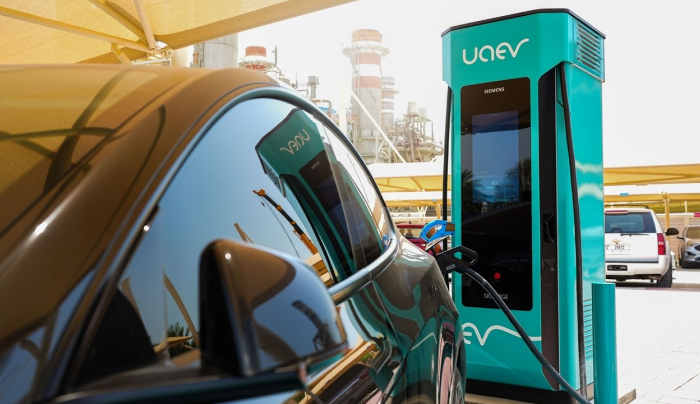
Electric vehicles produce zero emissions, making them eco-friendly. The UAE, a major oil producer, is investing heavily in EVs to reduce carbon emissions and meet its net-zero goals by 2050.
EVs made up 13% of car sales in 2023, and Abu Dhabi registered over 15,000 EVs in Q1 2025, a 60% increase from last year.
Opportunities for EV Adoption

The UAE offers a fertile ground for EVs due to its vision, wealth, and infrastructure. Here are the key opportunities:
- Government Support: The UAE aims for 50% of vehicles to be electric by 2040 in Abu Dhabi and by 2050 nationwide. Incentives like free EV charging, parking, and toll exemptions encourage buyers.
- Growing Infrastructure: The UAE had over 500 charging stations by mid-2025, with plans to double this by 2027. Dubai’s DEWA and Abu Dhabi’s ADNOC are expanding fast-charging networks.
- High Disposable Income: UAE residents can afford premium EVs like Tesla and Rivian, which are popular in the region.
UAE EV Adoption Targets
Emirate |
EV Target |
Timeline |
|
Abu Dhabi |
50% of vehicles |
2040 |
|
Nationwide |
50% of vehicles |
2050 |
What are the Challenges to EV Adoption?
Despite the progress, EV adoption faces hurdles in the UAE. Here are the main challenges:
- Limited Model Variety: While premium EVs are available, affordable options are scarce, limiting access for middle-income residents.
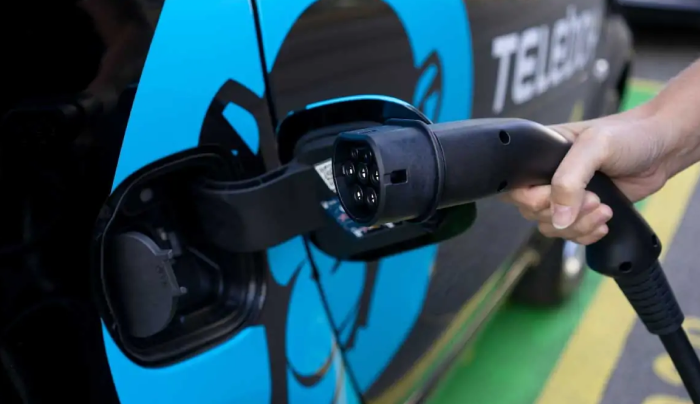
- Charging Infrastructure Gaps: Rural areas lack charging stations, and urban stations can be crowded during peak hours.
- Consumer Awareness: Many UAE residents are unaware of EV benefits or worry about battery life and maintenance costs.
- Climate Concerns: The UAE’s extreme heat can affect battery performance, raising concerns about EV reliability.
Recent Trends in the UAE’s EV Market
The UAE’s EV market is evolving rapidly. Here are some updates:
- Chinese Brands Enter: Brands like BYD and NIO are gaining traction with affordable, high-tech EVs.
- Smart Charging: DEWA’s smart charging apps let users schedule charging during off-peak hours, saving costs.
- Public Transport: Dubai’s RTA plans to electrify 50% of its bus fleet by 2030, boosting EV visibility.
Key EV Brands in UAE
Brand |
Popular Models |
Price Range (AED) |
|
Tesla |
Model 3, Model Y |
150,000–250,000 |
|
BYD |
Han, Atto 3 |
100,000–180,000 |
|
Rivian |
R1T, R1S |
300,000–400,000 |
How to Boost EV Adoption in the UAE?
To overcome challenges and seize opportunities, the UAE can take these steps:
- Expand Affordable Options: Partner with brands like BYD to offer budget-friendly EVs.
- Enhance Charging Networks: Build more stations in rural areas and add fast chargers in cities.
- Educate Consumers: Launch campaigns highlighting EV benefits, such as lower running costs.
- Innovate for Climate: Develop heat-resistant batteries to address performance concerns.
FAQs
What is driving EV adoption in the UAE?
The UAE’s push for EVs is fueled by government incentives like free charging and parking, ambitious net-zero goals by 2050, and growing charging infrastructure, with over 500 stations in 2025.
What are the main challenges for EV adoption in the UAE?
Challenges include limited affordable EV models, insufficient charging stations in rural areas, consumer concerns about battery life in extreme heat, and low awareness of EV benefits.
Are electric vehicles affordable in the UAE?
While premium EVs like Tesla cost AED 150,000–250,000, brands like BYD offer models from AED 100,000, making EVs more accessible. Government incentives also reduce costs.
How is the UAE expanding its EV charging network?
The UAE had 500+ charging stations by mid-2025, with DEWA and ADNOC planning to double this by 2027. Smart charging apps help users charge during off-peak hours.
Which EV brands are popular in the UAE in 2025?
Tesla (Model 3, Model Y), BYD (Han, Atto 3), and Rivian (R1T, R1S) are leading brands, offering a range of options for UAE buyers.