












Top Tips for Fasting and Driving During Ramadan in UAE 2026


With fasting hours around 12.5 to 13.5 hours daily, many of us are on the roads while managing work, errands, and Iftar plans. But here’s the truth: fasting can bring drowsiness, dehydration, and slower reactions, and UAE roads see more accidents in the 2-4 PM window before Iftar.
Following simple tips from Dubai’s RTA and road safety experts keeps you and your loved ones safe. By planning smart, driving patiently, and listening to your body, you can enjoy every moment of this holy month without stress or risk.
Why Driving While Fasting Needs Extra Care in the UAE
Long fasting hours + desert heat + busy roads = higher chances of fatigue. Official data shows accidents spike before Iftar, especially on Mondays and Thursdays. Morning traffic is lighter thanks to shorter work hours, but the rush from 4-7 PM can be chaotic as everyone hurries for Maghrib.
The RTA and Dubai Police remind us that patience and planning are key. Follow these tips and you’ll not only stay safe but feel more blessed and in control.
Top 10 Practical Tips for Safe Fasting & Driving in UAE
1. Start Your Day with a Smart, Hydrating Suhoor
Eat slow-release energy foods at Suhoor (before Fajr). Choose oats, eggs, yogurt, dates, nuts, and plenty of water (aim for 2-3 glasses). Avoid heavy fried foods or too much caffeine, they can make you thirsty or tired later.
Quick Suhoor Ideas for Drivers
- Oatmeal with banana, almonds & milk
- Boiled eggs + wholegrain bread + dates + labneh
- Smoothie with yogurt, fruits & chia seeds
2. Get Enough Rest
Sleep early after Isha and try a 20-30 minute power nap after Dhuhr if possible. Tired eyes are one of the biggest causes of accidents during Ramadan. If you feel sleepy behind the wheel, pull over safely immediately.
3. Plan Routes and Leave Early
Use the RTA app, Google Maps, or Waze to check real-time traffic. Avoid leaving the office between 4 and 6:30 PM if you can. Leaving 30-45 minutes earlier can save you from the Iftar rush and keep you calm.
4. Stay Cool and Comfortable in the Car
Turn on the AC early. Keep the car at a pleasant temperature. Wear light, comfortable clothes and sunglasses. Small things like this fight fatigue in UAE heat.
5. Drive Defensively
Keep double the usual distance from the car in front. Be extra patient with other drivers who may also be fasting. No tailgating, no sudden lane changes.
6. Know Your Limits and Pull Over Safely
Feeling dizzy, hungry, or very tired? Stop at the nearest safe place (service station or mosque). Have dates and water ready in the car for a quick, light Iftar if needed.
7. Avoid Peak Risk Hours When Possible
Time Slot |
Risk Level |
Why It’s Risky |
Better Alternative |
|
2:00 PM – 4:00 PM |
High |
Peak fatigue before Iftar |
Finish errands before 1 PM |
|
4:30 PM – 7:00 PM |
Very High |
Iftar rush + tired drivers |
Leave work early or late |
|
Right after Iftar |
Medium |
Heavy meals can cause drowsiness |
Wait 20–30 mins before long drive |
|
Early morning (after Suhoor) |
Low |
Fresh, light traffic |
Best time for long trips |
8. Check Your Car Before Every Trip
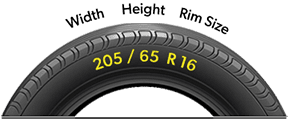
Make sure tires, brakes, oil, and wipers are in good condition. A well-maintained car gives you one less thing to worry about when you’re fasting.
9. Use Hands-Free & Avoid Distractions
Keep phone calls hands-free. Set your playlist or Quran recitation before starting the engine. Focus fully on the road, especially in busy areas like Sheikh Zayed Road or Abu Dhabi Corniche.
10. After Iftar: Eat Light First, Then Drive
Heavy meals right after breaking fast can make you sleepy. Start with dates, water, and soup, then eat the main meal later. If you must drive soon after Iftar, keep the journey short and stay extra alert.
Do’s and Don’ts Table for Ramadan Driving in UAE
Do’s |
Don’ts |
|
Hydrate heavily between Iftar & Suhoor |
Skip water at Suhoor |
|
Leave extra time for journeys |
Rush or speed to beat Iftar |
|
Wear seatbelt & use child seats |
Drive if you feel dizzy or weak |
|
Use RTA apps for traffic updates |
Use phone while driving |
|
Show extra kindness to other drivers |
Tailgate or honk impatiently |
|
Pull over safely if tired |
Ignore signs of fatigue |
FAQs
1. Is it safe to drive while fasting in the UAE?
Yes, millions do it every year. Just follow the tips above, stay hydrated during allowed hours, and rest well. Your body adapts quickly with good preparation.
2. What should I do if I feel very tired or dizzy while driving?
Pull over immediately in a safe spot (mosque parking, service station). Break your fast with water and dates if needed, health and safety always come first.
3. Are there special traffic rules during Ramadan in Dubai or Abu Dhabi?
No new rules, but RTA runs strong awareness campaigns. Police are extra visible near Iftar time. Shorter work hours (2 hours less) mean slightly different traffic patterns.
4. What are the most dangerous times to drive during Ramadan 2026?
2 PM to 4 PM and 30 minutes before/after Iftar. Avoid these for long trips if possible.
5. Can I keep snacks or water in the car?
Yes, perfectly fine, just don’t eat or drink while driving during fasting hours. Use them after breaking fast or in emergencies.
6. How can visitors or new residents in UAE stay safe on roads this Ramadan?
Follow local driving style (keep right unless overtaking), use navigation apps, and give yourself extra time. Respect the culture; no eating/drinking in public during daylight.
7. Does fasting affect my reaction time while driving?
Slightly, yes, especially in the afternoon. That’s why extra distance, slower speeds, and defensive driving are so important.
8. Where can I find today’s exact Iftar time in my city?
Check the official IACAD app, RTA website, or reliable sites like Khaleej Times for accurate Dubai, Abu Dhabi, or Sharjah timings.