













How to Handle a Tyre Blowout at High Speed?


A high-speed tyre blowout is a sudden, explosive loss of tyre pressure that occurs while driving at speeds above 50 mph, requiring immediate emergency response to prevent fatal accidents. Unlike a gradual puncture or slow leak, a blowout at high speeds creates a potentially dangerous situation where drivers have only 3-5 seconds to respond correctly before losing control of their vehicle.
What Is a Tyre Blowout?
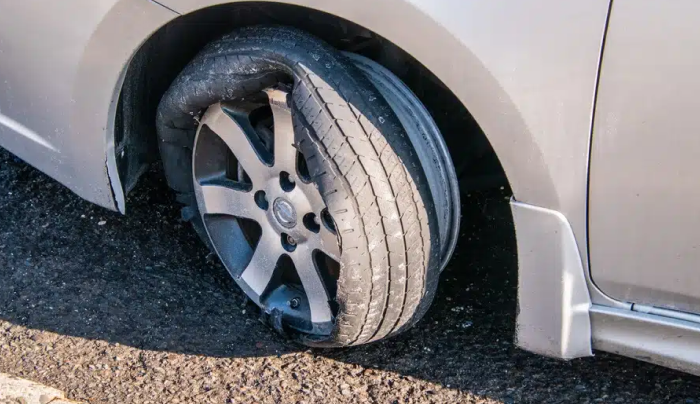
A tyre blowout is when a tyre suddenly loses air pressure, often causing a loud bang and making the vehicle hard to control. In the UAE, where high-speed driving is common and temperatures soar, blowouts can happen due to heat, road hazards, or tyre wear.
Understanding High-Speed Tyre Blowouts
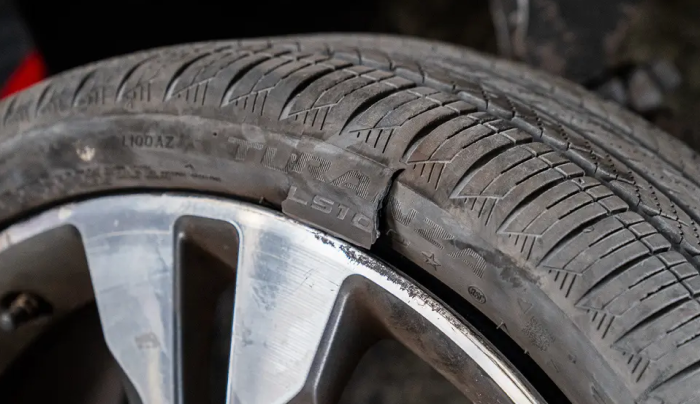
Blowout Types
When a car tyre blows at highway speeds, the rapid loss of air pressure creates an explosive decompression that immediately affects vehicle stability. This sudden tyre blowout can involve sidewall failure, tread separation, or complete structural collapse of the tyre.
The location of the blown tyre determines the specific handling challenges:
- Front tyre blowouts directly affect steering control, causing the vehicle to pull sharply toward the damaged side.
- Rear tire blowouts create vehicle instability and can cause the car to fishtail or spin.
- Left tyre vs right tyre failures present different risks depending on traffic patterns and road shoulders.
Physics of High-Speed Blowouts
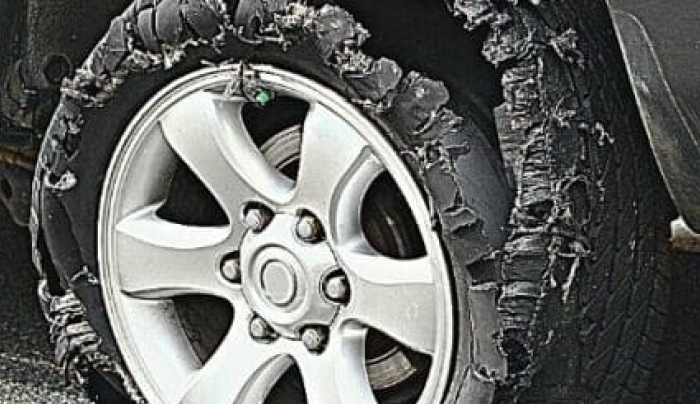
At high speeds, centrifugal force and vehicle dynamics amplify the dangers of tyre blowouts exponentially. When driving at 60+ mph, the sudden loss of air pressure in one tyre creates an immediate imbalance in the vehicle’s contact with the road surface. The car naturally pulls toward the blown tyre as that corner drops and creates more friction.
Speed directly correlates with impact force and steering difficulty. The faster you’re travelling when a tyre blows, the more violent the initial pull becomes, and the harder it is to maintain control.
High-Speed vs Low-Speed Blowout Response
Factor |
Low-Speed (30-50 mph) |
High-Speed (50+ mph) |
|
Response Time |
5-10 seconds |
3-5 seconds |
|
Steering Difficulty |
Moderate pull |
Severe, violent pull |
|
Braking Technique |
Can brake sooner |
Must delay braking |
|
Accident Risk |
Low-moderate |
High-severe |
|
Recovery Method |
Standard pullover |
Extended stabilisation required |
|
Control Difficulty |
Manageable |
Extremely challenging |
How to Handle a Tyre Blowout at High Speed?
Immediate Recognition and Mental Preparation (0-2 seconds)
When a tyre blowout occurs at high speed, you’ll experience immediate warning signs: a loud noise (bang or whooshing sound), sudden vehicle pull to one side, and steering wheel vibration. The key is staying calm and maintaining a firm grip on the steering wheel with both hands immediately.
Steering Control and Vehicle Stabilisation (2-10 seconds)
Maintain a firm grip on the steering wheel and counter-steer gently against the pull. Keep the vehicle moving in a straight line by applying steady pressure through the steering wheel. Avoid overcorrection, which can send your car careening across multiple lanes.
For front tire blowouts, you’ll need more control effort as the steering becomes heavy and unresponsive. Rear tire failures require careful attention to prevent fishtailing.
Speed Reduction and Safe Stopping (10-60 seconds)
Gradually slow your vehicle by easing your foot off the accelerator. Do not apply brakes immediately; sudden braking at high speed with a blown tyre can cause vehicle spin, rollover, or complete loss of control.
Only begin gentle, progressive braking after your vehicle slows enough to below 40 mph and you have stabilised the car.
Tyre Maintenance Checklist
Task |
Frequency |
Why It Matters |
|
Check tyre pressure |
Monthly |
Prevents underinflation/overinflation |
|
Inspect tread depth |
Every 3 months |
Ensures safe grip on UAE roads |
|
Rotate tyres |
Every 10,000–12,000 km |
Promotes even wear |
|
Replace old tyres |
Every 5–6 years |
Avoids blowouts from aged rubber |
|
Check spare tyre condition |
Every 6 months |
Ensures it’s ready for emergencies |
FAQs
Should I brake immediately when my tyre blows out at 70 mph?
No, immediate braking at high speed can cause loss of control and vehicle rollover. First stabilise steering control, then gradually slow down before applying gentle brakes.
Is a front or rear tyre blowout more dangerous at highway speeds?
Front tyre blowouts are generally more dangerous as they directly affect steering control, while rear blowouts cause vehicle instability but leave steering responsive.
How long do I have to respond to a high-speed blowout?
You have approximately 3-5 seconds for an initial response before the situation becomes uncontrollable at highway speeds. Quick, correct action is essential.
Can modern stability control systems help during high-speed blowouts?
Yes, electronic stability control and traction control assist, but proper manual response remains essential as these systems have limitations during catastrophic tyre failure.
What should I do if my tyre blows out in heavy traffic?
Focus on maintaining control and staying in your lane initially. Don’t attempt to change lanes until you’ve stabilised the vehicle and reduced speed significantly. Use hazard lights to warn other drivers.