
















How Driverless Cars Work: A Simple Guide for the UAE Market


Driverless cars, also called autonomous vehicles (AVs), are transforming the way we travel. From Dubai’s smart city initiatives to Abu Dhabi’s innovation hubs, the UAE is testing and adopting this technology to make roads safer and commuting easier.
But how do driverless cars work? This guide explains the technology behind autonomous vehicles in simple terms, tailored for UAE residents.
What Are Driverless Cars?
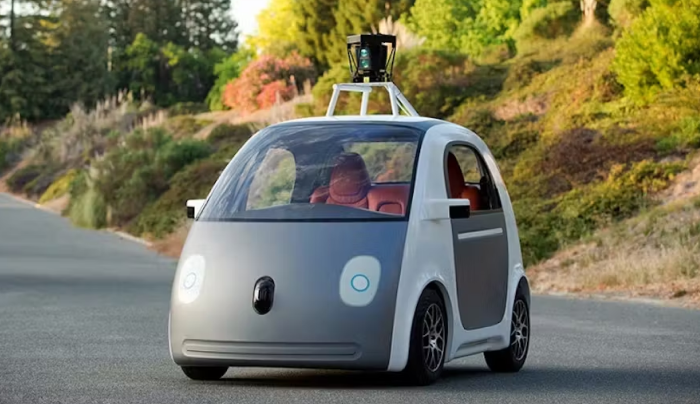
Driverless cars are vehicles that can drive themselves without human input. They use advanced technologies like sensors, cameras, and artificial intelligence (AI) to navigate roads, avoid obstacles, and follow traffic rules. In the UAE, driverless cars are being tested for taxis, buses, and even delivery services.
How Do Driverless Cars Work?
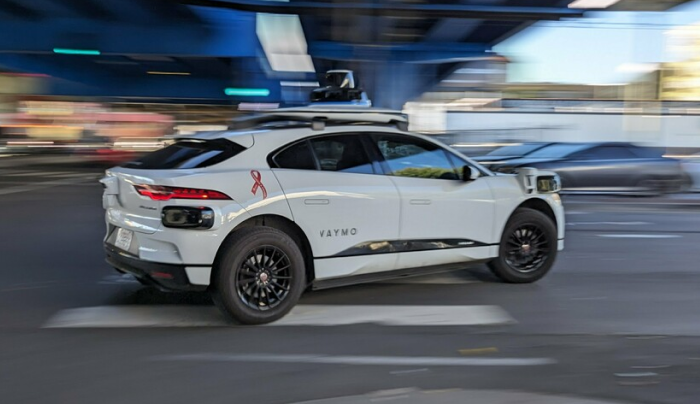
Driverless cars rely on a combination of hardware and software to operate. Here’s a breakdown of the key components:
1. Sensors and Cameras
Sensors are the “eyes” of a driverless car. They collect data about the car’s surroundings. The main types include:
- LIDAR: Uses laser beams to create a 3D map of the environment.
- Radar: Detects objects and measures their distance and speed, even in bad weather.
- Cameras: Capture images to identify road signs, traffic lights, and pedestrians.
- Ultrasonic Sensors: Help with parking and detecting nearby objects.
2. Artificial Intelligence (AI)
AI is the “brain” of the car. It processes data from sensors to make decisions, like when to stop, turn, or change lanes. Machine learning, a type of AI, helps the car learn from past trips to improve its driving.
3. GPS and Mapping
High-definition (HD) maps and GPS guide the car along routes. These maps include details like lane markings, traffic signals, and road conditions, which are critical for safe navigation in cities like Dubai and Abu Dhabi.
4. Vehicle-to-Everything (V2X) Communication
Driverless cars communicate with other vehicles, traffic lights, and infrastructure using V2X technology. This helps them coordinate movements and avoid collisions.
5. Control Systems
The car’s control systems act like its “hands and feet.” They manage steering, braking, and acceleration based on AI decisions.
What are the Key Technologies in Driverless Cars?
Technology |
Function |
Example Use in UAE |
|
LIDAR |
Creates 3D maps of surroundings |
Detecting pedestrians in Dubai’s busy areas |
|
Radar |
Measures distance and speed |
Works in UAE’s foggy or dusty conditions |
|
Cameras |
Identifies signs, lights, and obstacles |
Reading UAE road signs |
|
AI |
Processes data and makes decisions |
Deciding when to stop at signals |
|
GPS and HD Maps |
Guides navigation |
Planning routes in Abu Dhabi |
|
V2X Communication |
Connects car to other vehicles/infrastructure |
Coordinating with smart traffic systems |
Driverless Cars in the UAE: Current Status
The UAE is a leader in autonomous vehicle adoption. Here’s what’s happening:
- Dubai: The Roads and Transport Authority (RTA) aims for 25% of trips to be autonomous by 2030. Self-driving taxis by Cruise and WeRide are already being tested.
- Abu Dhabi: Masdar City is a testing ground for driverless shuttles, with companies like Navya deploying electric AVs.
- Sharjah: Autonomous buses are being explored to improve public transport.
- Regulations: The UAE has introduced laws to support AV testing, ensuring safety and compliance with global standards.
Benefits of Driverless Cars in the UAE
- Safer Roads: AVs reduce human errors, which cause most accidents.
- Less Traffic: Smart navigation and V2X reduce congestion in busy cities like Dubai.
- Eco-Friendly: Electric AVs align with the UAE’s sustainability goals, like Vision 2021.
- Convenience: Self-driving taxis and shuttles make commuting easier, especially for tourists.
- Accessibility: AVs help people with disabilities travel independently.
Challenges of Driverless Cars in the UAE
- Weather Conditions: Dust storms and fog can affect sensors.
- Complex Roads: UAE’s mix of highways and narrow streets challenges navigation.
- Public Trust: Many UAE residents are still hesitant about fully autonomous vehicles.
- Cost: Developing and deploying AVs is expensive, though costs are decreasing.
Benefits vs. Challenges of Driverless Cars in the UAE
Aspect |
Benefits |
Challenges |
|
Safety |
Reduces human error |
Sensors may struggle in bad weather |
|
Traffic |
Optimizes routes, reduces congestion |
Complex road networks |
|
Environment |
Supports electric vehicles |
High development costs |
|
Accessibility |
Helps disabled travelers |
Public skepticism about AVs |
Future of Driverless Cars in the UAE
The UAE is investing heavily in autonomous vehicles. By 2030, Dubai plans to have thousands of self-driving taxis. Abu Dhabi’s smart cities, like Masdar, will integrate AVs into daily life. The government is also working with global companies like Tesla, Waymo, and local startups to advance this technology.
With 5G networks and smart infrastructure, the UAE is well-positioned to lead the driverless car revolution in the Middle East.
FAQs
Q1: Are driverless cars safe in the UAE?
Yes, they’re designed with advanced safety features like LIDAR and AI to avoid accidents. However, testing is ongoing to ensure they handle UAE’s unique conditions.
Q2: Can driverless cars drive in Dubai’s traffic?
Yes, they use AI and HD maps to navigate busy roads, but they’re still being tested to handle complex scenarios.
Q3: When will driverless cars be common in the UAE?
Dubai aims for 25% autonomous trips by 2030, so expect wider use in the next 5–10 years.
Q4: Are driverless cars legal in the UAE?
Yes, the UAE has laws allowing AV testing, with strict safety guidelines.
Q5: How do driverless cars benefit the environment?
Many AVs are electric, reducing emissions and supporting the UAE’s green goals.