













Public Transport in the UAE: A Comprehensive Guide


Navigating the United Arab Emirates without a car is entirely feasible thanks to its evolving public transport system. Whether you're a resident commuting daily or a tourist exploring the vibrant cities, public transport in the UAE offers affordable, efficient, and eco-friendly options. This guide covers everything from metro lines in Dubai to buses connecting remote emirates, with up-to-date details on fares, cards, apps, and tips to make your journeys smooth.
With the country's focus on sustainability and connectivity, using public transport helps reduce traffic congestion and supports the UAE's green initiatives. In the first half of 2025 alone, Dubai's public transport system served nearly 395 million riders, highlighting its growing popularity.
Understanding Public Transport Options Across the UAE
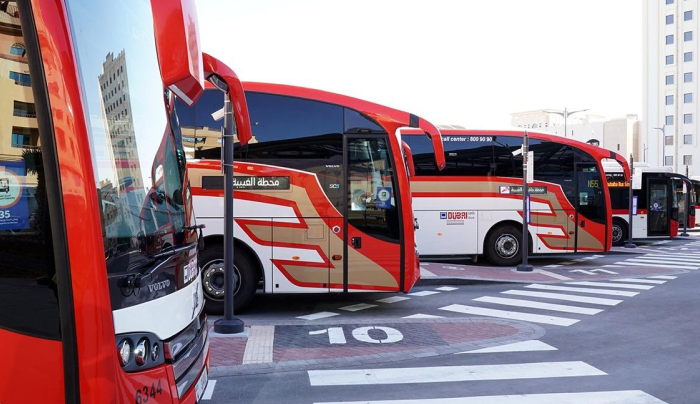
The UAE's public transport network varies by emirate, with Dubai and Abu Dhabi boasting the most advanced systems, including metro, trams, and extensive bus routes. Smaller emirates like Sharjah, Ajman, and Ras Al Khaimah rely more on buses and taxis, while Umm Al Quwain and Fujairah have limited services.
Inter-emirate travel is primarily handled by buses, with upcoming developments like the Etihad Rail passenger service set for launch in 2026. Payment methods include smart cards such as Nol in Dubai and Hafilat in Abu Dhabi, and apps like S'hail, RTA Dubai, and Darbi for real-time planning.
Key benefits include cost savings—fares start as low as AED 1 for short trips—and air-conditioned comfort in the desert climate. However, in spread-out areas, combining public transport with walking or taxis may be necessary.
Public Transport in Dubai: Metro, Trams, Buses, and More
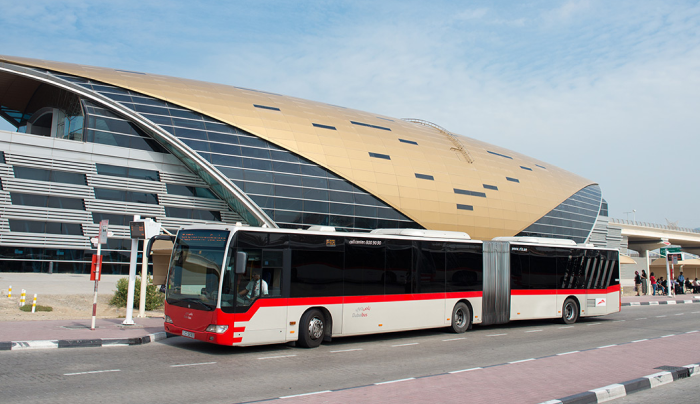
Dubai's public transport is world-class, designed for both locals and visitors. The Dubai Metro, with its Red and Green lines, spans over 90 km and connects major landmarks like Burj Khalifa, Dubai Mall, and the airport.
Recent expansions include new routes on the Red Line to areas like Expo City and Al Fardan Exchange. Trains run frequently, every 4-7 minutes during peak hours, and offer free Wi-Fi, though signal strength can vary. In the first half of 2025, the metro carried approximately 143.9 million passengers.
The Dubai Tram complements the metro in coastal areas, linking Dubai Marina, Jumeirah Beach Residence, and the Palm Jumeirah Monorail. For scenic routes, try the Dubai Ferry or Water Bus, which traverse the marina and creek with fares from AED 3 to 75 depending on distance. Traditional abras (water taxis) cross Dubai Creek for just AED 1 in cash.
Buses cover areas not reached by rail, with over 1,500 routes operating 24/7 on main lines. Recent additions include non-stop services to Abu Dhabi and resumed routes to Global Village starting October 2025. Taxis, including app-based options, are metered and start at around AED 12, ideal for short hops.
Nol Card and Fares in Dubai
The Nol card is your gateway to seamless travel—use the Silver version for standard fares or Gold for premium metro access at double the price. Tourists often opt for the Red Ticket (AED 2), reloadable for up to 10 trips. Metro and tram fares range from AED 4 to AED 8.5 per ride based on zones. Operating hours: Metro from 5 AM to midnight (extended on weekends), trams are similar. Recent expansions allow Nol card use for more services, including education and parking payments.
Apps like RTA Dubai, S'hail, and Nol Pay provide live schedules, route planning, and balance management.
Public Transport in Abu Dhabi: Buses and Taxis
Abu Dhabi's system emphasizes buses, with an extensive network of air-conditioned vehicles running 24/7. Routes connect the city center, Yas Island, Saadiyat Island, and even Al Ain. The free "Experience Abu Dhabi" shuttle loops through tourist spots like the Grand Mosque and Louvre Abu Dhabi. A new non-stop bus service to Dubai from Mohamed bin Zayed City costs AED 25 and runs multiple times daily.
Taxis are silver with yellow roofs, starting at AED 5 (AED 1.82 per km), and pink taxis cater to women and families. Ride-hailing options offer similar convenience, with fares around AED 20-30 for intra-city trips.
Hafilat Card and Fares in Abu Dhabi
Mandatory for buses, the Hafilat card costs AED 10 and can be topped up via the Darbi app. Base fare is AED 2 plus AED 0.05 per km, weekly passes are AED 35. Always tap in and out to avoid penalties. Upcoming initiatives include AI-powered solutions for smarter transport and a new tram network linking Yas Island to Zayed International Airport.
Public Transport in Sharjah and Ajman
Sharjah's bus network integrates with Dubai's, making it easy to commute between the two. Key routes like 115 to Ras Al Khaimah cost AED 27 and take about 1 hour and 45 minutes. Central Sharjah is walkable, with taxis available for AED 10-20 short rides.
Ajman also benefits from Dubai connections via E400 buses (AED 10-15). Local minibuses extend to Umm Al Quwain for AED 15 cash. Both emirates have compact centers, ideal for foot exploration. In the first half of 2025, Ajman's public buses carried over 1.9 million passengers.
Public Transport in Ras Al Khaimah, Umm Al Quwain, and Fujairah
Ras Al Khaimah (RAK) operates limited bus lines, with inter-emirate services to Dubai (AED 27, 5:30 AM to 9 PM). Taxis are crucial due to sparse routes and poor walkability.
Umm Al Quwain has no formal public buses, it relies on taxis or minibuses from Ajman (AED 15). Walking is limited by distances.
Fujairah features one minibus route, inter-emirate buses from Dubai (E700, AED 25) drop at the station, then AED 3 minibuses to the center. Taxis fill the gaps.
Inter-Emirate Travel: Connecting the UAE
Buses dominate inter-emirate journeys, operated by authorities like RTA and RAKTA. From Dubai: to Abu Dhabi (E100/E101, AED 25, every 30-60 min), to Sharjah (E306 or FR5 ferry, AED 10-20). Costs range from AED 10-30 one way. Use Nol or Hafilat cards where compatible, or cash.
|
Route |
Bus Number |
Fare (AED) |
Duration |
Frequency |
|
Dubai to Abu Dhabi |
E100/E101 |
25 |
2 hours |
Every 30-60 min |
|
Dubai to Sharjah |
E306 |
10 |
30-45 min |
Frequent |
|
Dubai to RAK |
RAKTA Bus |
27 |
1.5 hours |
5:30 AM - 9 PM |
|
Sharjah to Ajman |
112/114 |
5-10 |
20-30 min |
Scheduled |
Practical Tips for Using Public Transport in the UAE
- Plan Ahead: Use apps like Google Maps, S'hail, or Darbi for accurate timings—better than static schedules.
- Etiquette: Reserve front seats for women, families, and the elderly, no eating/drinking on the metro.
- Rush Hours: Avoid 7-9 AM and 5-7 PM to dodge crowds.
- Accessibility: Most systems are wheelchair-friendly, and kids under 5 ride free on many services.
- Safety: Transport is monitored and safe, even late at night.
Future of Public Transport in the UAE
Looking ahead, Etihad Rail's passenger network will revolutionize travel, connecting all emirates at speeds up to 200 km/h starting in 2026. This will make exploring the UAE faster and more sustainable. Other projects include Dubai's Blue Line metro and a potential Dubai Loop for ultra-fast travel by 2026, alongside Abu Dhabi's new tram system.
Frequently Asked Questions (FAQs)
What is the cost of a bus from Dubai to Abu Dhabi?
The fare is AED 25 for a one-way trip on routes like E100 or E101, with services running every 30-60 minutes and taking about 2 hours.
Is the Etihad Rail passenger service operational in 2025?
No, passenger services are scheduled to launch in 2026, connecting 11 cities across the UAE with trains accommodating up to 400 passengers each.
How do I get a Nol card in Dubai?
You can purchase a Nol card at any metro station, bus station, or online via the Nol Pay app. The basic Silver card starts at AED 19 (including AED 10 credit), and it's reloadable for multiple uses.
What apps should I use for planning public transport in the UAE?
For Dubai, use S'hail or RTA Dubai for routes and live updates. In Abu Dhabi, the Darbi app handles bus schedules and Hafilat card top-ups. Google Maps works well for inter-emirate planning.
Are there any free public transport options in Abu Dhabi?
Yes, the "Experience Abu Dhabi" shuttle is free and connects major tourist sites like the Grand Mosque and Louvre Abu Dhabi.
How child-friendly is the UAE's public transport?
Children under 5 ride free on most services, and systems like the Dubai Metro have family carriages. Accessibility features include ramps and priority seating.
Whether beating the heat in an air-conditioned metro or enjoying creek views from an abra, public transport in the UAE makes getting around accessible and enjoyable. For those times when you need your own wheels, remember PitStopArabia for all your automotive needs. Safe travels!