















Useful Tips to Prevent Car Skidding While Driving in the UAE


Skidding happens when your car tyres lose traction, leading to loss of control. It can cause accidents, but the good news is you can prevent them with simple habits. Sudden rain makes roads slippery, sand from deserts reduces grip, or extreme heat wears down tires.
What Causes Car Skidding?
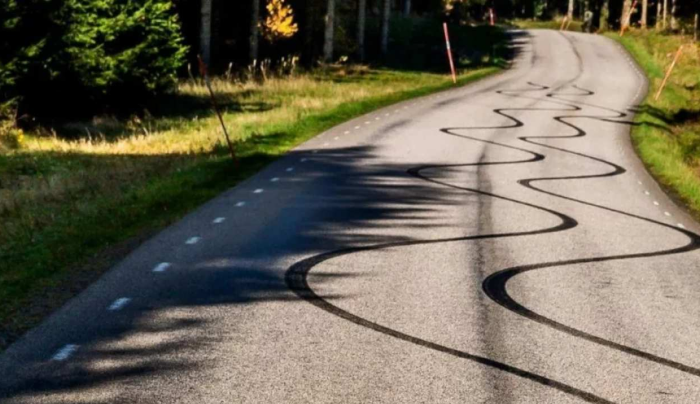
Common reasons include:
- Slippery surfaces: Rain mixes with oil on roads, creating hydroplaning. In the UAE, rare but heavy rains make this common. Sand from dust storms reduces traction, too.
- Driver errors: Speeding, sudden braking, or sharp turns. For example, braking hard on wet curves locks the wheels.
- Vehicle issues: Worn tires, low pressure from heat, or faulty brakes. UAE's hot summers (up to 50°C) can soften tires, making them prone to skids.
- Weather specifics: Ice is rare, but fog, dew, or flooded wadis increase risks.
What are the Useful Tips to Prevent Skidding in UAE?
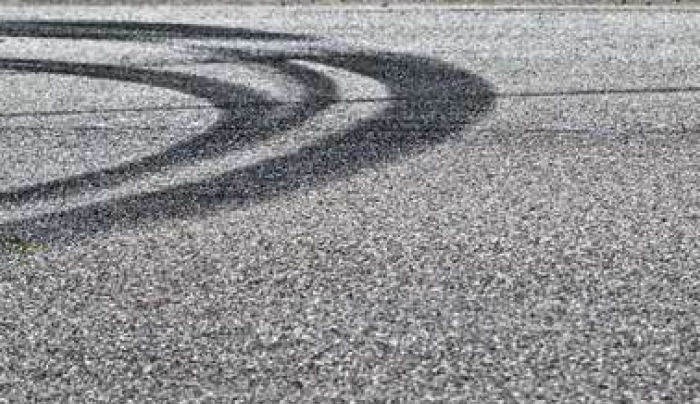
Here are proven ways to avoid skids, based on recent advice. Focus on your car, speed, and surroundings.
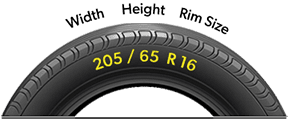
- Check Your Tires Regularly: Tires are your first defense. In the UAE heat, check the pressure weekly; low pressure can cause poor grip. Ensure the tread depth is at least 1.6mm (the legal minimum). Replace if worn, as sand and heat speed up wear.
- Drive at Safe Speeds: Slow down in rain or sand. UAE roads have speed limits, but are reduced by 20-30 km/h on wet surfaces to avoid hydroplaning. In dust storms, go below 80 km/h.
- Brake Gently: Avoid slamming brakes; use steady pressure. If your car has ABS (most modern ones do), don't pump; let it work. Increase the following distance to 4-5 seconds in rain.
- Steer Smoothly: No sharp turns. In curves, ease off the accelerator first.
- Use Lights and Wipers: In rain or dust, turn on headlights (low beam) and wipers. Close windows to keep sand out. Use hazards if visibility drops.
- Avoid Flooded Areas: UAE rains can flood wadis, steer clear or pull over.
- Maintain Your Car: Regular services for brakes and suspension. Heat affects fluids, so check them often.
- Stay Alert in Hot Weather: High temps make roads sticky, but tires can burst or lose grip. Park in the shade to cool them.
For a quick summary, here's a table of prevention tips:
Prevention Tip |
UAE-Specific Advice |
|
Check tires |
Weekly pressure checks due to heat; ensure good tread for sand. |
|
Reduce speed |
Drop 20-30 km/h in rain; below 80 km/h in dust storms. |
|
Brake gently |
Use ABS if available; double following distance in wet conditions. |
|
Steer smoothly |
Avoid sharp turns on highways like Sheikh Zayed Road. |
|
Use lights/wipers |
Essential in sudden UAE showers or sandstorms. |
|
Avoid floods |
Stay away from wadis during rain alerts. |
|
Car maintenance |
Service brakes yearly; check fluids for heat damage. |
|
Stay alert |
Monitor for heat-related tire issues. |
What to Do If Your Car Starts Skidding?
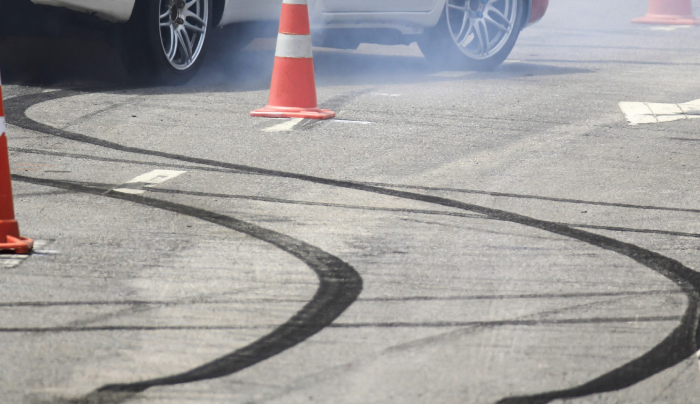
Stay calm; panic worsens it.
- Ease off the accelerator: Don't accelerate; let the car slow naturally.
- Steer into the skid: If the rear slides right, turn the wheels right gently.
- Don't slam brakes: Pump gently if no ABS; hold steady if ABS kicks in (you'll feel vibration).
- Regain control: Once straight, accelerate slowly.
FAQs
Q1: How often does skidding happen in the UAE?
Not daily, but rises during rain or dust storms. In 2025, authorities reported more incidents from the February rains.
Q2: Are UAE roads designed to prevent skids?
Yes, with grooves for drainage, but drivers must adapt. Always follow RTA guidelines.
Q3: What if my car hydroplanes in the rain?
Lift foot off the gas, steer straight, and brake lightly once the grip returns.
Q4: Do electric cars skid less in the UAE?
They have better traction control, but still need good tires and safe driving.
Q5: Where can I practice skid control in the UAE?
Check driving schools like Emirates Driving Institute for advanced courses.