













AI vs Traditional Car Inspection: Which Is More Accurate in the UAE?


It depends on what you're inspecting. For speed and surface-level accuracy, AI wins. RTA's 'Auto Check' system boasts 99.8% accuracy and completes inspections in 20 seconds. But for a comprehensive pre-purchase inspection (PPI) involving mechanical, electrical, and structural checks, a human expert remains more reliable.
The best approach in the UAE combines both: AI for quick triage and annual car inspections, followed by a human-led inspection for final decision-making on high-value vehicles.
The Evolution of Car Inspections in the UAE
Dubai and Abu Dhabi are racing toward a fully digital future. The UAE government's AI Strategy 2030 is transforming how vehicles are inspected, from registration renewal to accident damage assessment. Traditional inspections, which rely entirely on human technicians, are increasingly being supplemented or replaced by artificial intelligence and smart systems.
But does that mean humans are obsolete? Not quite. Each method has distinct strengths and weaknesses. Understanding them can save you time, money, and potentially your safety on UAE roads.
PitStopArabia provides smart and reliable vehicle inspection services across Dubai and Abu Dhabi, ensuring accurate and hassle-free car checks in the UAE.
How AI Car Inspections Work in the UAE
AI inspections use computer vision, laser technology, and machine learning algorithms to analyse vehicles. Here are the most advanced systems currently operating in the UAE:
Dubai RTA's 'Auto Check' System
Dubai's Roads and Transport Authority (RTA) launched the 'Auto Check' smart vehicle inspection system in 2025. It uses an integrated 360-degree inspection cell with four main units
Component |
Function |
|
Unit 1 |
Examines the vehicle body using 4,000+ real-time images to detect scratches, dents, and structural defects |
|
Unit 2 |
Inspects tyres using laser technology to verify tread depth and overall tyre integrity |
|
Unit 3 |
Analyses tyre durability and checks the manufacturing year through sidewall data scanning |
|
Unit 4 |
Underbody scanner detects leaks, damage, and chassis-related faults |
Key statistics:
- Accuracy: 99.8%
- Completion time: 15–20 seconds (vs 10–15 minutes for traditional inspection)
- Available at: Wasil Al Jaddaf Centre (pilot phase started Q2 2025
Dubai RTA's 'Auto Check' System for RTA vehicle inspection in Dubai is one of the most advanced AI-based inspection solutions in the UAE.
AI-Powered Road and Public Asset Inspection
Beyond vehicle inspections, AI is also used for:
- Road defect detection: Laser Crack Measurement System (LCMS-2) achieves 97% accuracy in detecting 14 types of asphalt defects
- Public space monitoring: Abu Dhabi expanded its smart inspection fleet to 27 AI-powered vehicles, which increased detected cases by 419% in one year
- Traffic violation detection: AI cameras and smart inspection vehicles are replacing traditional parking checks across Dubai
What Traditional Car Inspections Offer
Traditional inspections are human-led. A certified technician performs:
- Visual and tactile checks of body panels, tyres, brakes, and suspension
- Mechanical diagnostics using OBD-II scanners
- Road testing to assess real-world performance
- Underbody inspection on a lift
- Fluid and electrical system analysis
AI vs Traditional vs Smart: Key Differences
Feature |
AI-Powered Inspection |
Smart Inspection |
Traditional (Human-led) |
|
Method |
Computer vision analyses images/video |
Digital tools + human checklist |
Human technician + diagnostic tools |
|
Speed |
15–20 seconds (Auto Check) |
30–60 minutes |
60–120 minutes |
|
Accuracy for visible defects |
99.8% (body/tyres) |
Good |
Very good |
|
Accuracy for mechanical issues |
Limited |
Moderate |
Excellent |
|
Road test capability |
No |
No |
Yes |
|
Underbody/undercarriage check |
Yes (camera only) |
Limited |
Yes (full lift inspection) |
|
Best for |
Registration renewal, fleet screening |
Quick documentation |
Purchase decisions, accident assessment |
Which Is More Accurate for Tyre Inspection?
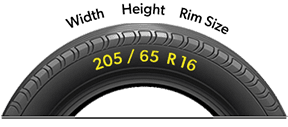
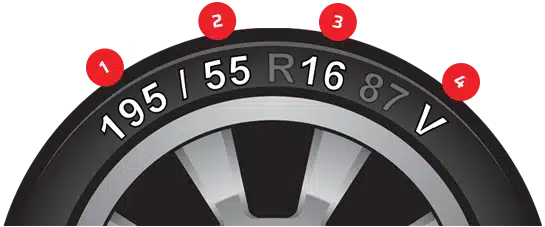
AI-based inspection systems in Dubai use laser and imaging technology to measure tread depth, tyre condition, and sidewall damage with very high precision (up to ~99% accuracy for visible defects). They are fast, consistent, and ideal for detecting issues like wear patterns, cracks, and tyre age.
However, human technicians are better at understanding why the damage is happening, such as alignment issues, suspension problems, or heat-related wear common in UAE conditions.
Conclusion
- AI wins: Speed, consistency, and precise tread measurements
- Human experts win: Root-cause analysis and complex tyre issues
Which Should You Choose in the UAE?
The choice depends on your specific need:
Choose AI Inspection If:
- You need a quick vehicle registration renewal (Auto Check at RTA centres)
- You're screening multiple used cars to shortlist options
- You want an objective, data-driven assessment of visible damage
- You need tyre tread depth and integrity verification
- You value speed over depth of analysis
Choose Traditional (Human-led) Inspection If:
- You're making a final purchase decision on a used luxury or sports car
- You need a comprehensive mechanical evaluation, including a road test
- You're assessing accident damage for insurance claims
- You want to identify hidden issues (oil leaks, suspension wear, electrical faults)
- You're buying a high-mileage vehicle where hidden problems are more likely
Limitations of AI Car Inspections
- Cannot perform mechanical diagnosis (engine sound, vibrations, fluid leaks, etc.)
- No road testing (cannot check braking, handling, or gear performance)
- Misses hidden or intermittent issues (electrical faults, internal rust, suspension load problems)
- Depends heavily on image quality (lighting, dirt, camera angle can affect accuracy)
- Not suitable as a full pre-purchase inspection tool
FAQ
1. Is AI better than a human at car inspection?
AI is better for speed and detecting visible defects (99.8% accuracy for body and tyres) . But humans are better for mechanical diagnosis, road testing, and identifying hidden issues. For purchase decisions, a human-led PPI remains the gold standard.
2. How accurate is Dubai RTA's Auto Check system?
The Auto Check smart vehicle inspection system boasts 99.8% accuracy and completes inspections in just 15-20 seconds.
3. Can AI detect tyre wear problems?
Yes. AI systems using laser technology can detect tread depth, sidewall damage, and uneven wear with over 90% accuracy. However, diagnosing the root cause (e.g., alignment vs suspension issues) still requires a human expert .
4. What is the difference between AI and Smart inspection?
Smart inspection = human-led process using digital tools (checklists, OBD scanning, guided imaging). AI-powered inspection = computer models that analyze images or video to detect visible damage automatically .
5. Is a pre-purchase inspection worth it in Dubai?
Absolutely. For any used car purchase, especially luxury or sports cars, a full human-led PPI (60–120 minutes including road test) is essential before paying a deposit .
6. Does PitStopArabia offer tyre inspection?
Yes. Our mobile tyre fitters can inspect your tyres for tread depth, damage, and proper inflation at your home or office across all 7 emirates.
7. Can AI replace traditional car inspection completely?
Not yet. While AI is excellent for surface-level checks and registration renewal, it cannot perform road tests, mechanical diagnosis, or identify hidden structural issues. A combination of AI screening followed by human inspection is the best approach