















Air Taxi Dubai: First Test Flight Completed


Dubai has taken a bold step toward revolutionizing urban transportation with the successful test flight of its first electric air taxi on June 30, 2025. This milestone is a major step in addressing the UAE's increasing traffic congestion issue and was carried out by Joby Aviation in collaboration with Dubai's Roads and Transport Authority (RTA).
With commercial services planned for 2026, air taxis could transform how residents and visitors move across the city. Here’s everything you need to know about this futuristic transport solution.
What Are Air Taxis?
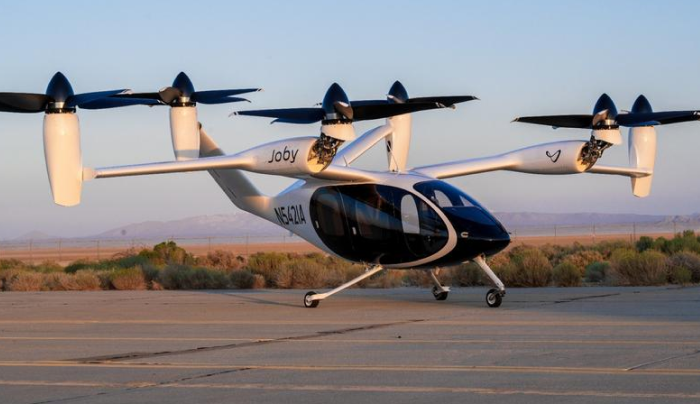
Air taxis are electric vertical take-off and landing (eVTOL) aircraft designed for short urban trips. Unlike traditional helicopters, they are quieter, emission-free, and built for efficiency.
Powered by electric motors, these taxis aim to bypass road traffic, offering a faster and greener alternative for commuters in busy cities like Dubai and Abu Dhabi.
Key Features of Joby Aviation’s Air Taxi
Feature |
Details |
|
Capacity |
1 pilot + 4 passengers |
|
Top Speed |
320 km/h |
|
Range |
Up to 160 km |
|
Travel Time Example |
Dubai Airport to Palm Jumeirah: 12 minutes |
|
Emissions |
Zero (fully electric) |
|
Noise Level |
Low, designed for urban use |
The air taxi’s vertical take-off and landing capability means it doesn’t need a runway, making it ideal for dense urban areas. Vertiports (dedicated landing stations) are being built at key locations like Dubai International Airport, Palm Jumeirah, Downtown Dubai, and Dubai Marina to support seamless operations.
Why Dubai Needs Air Taxis?
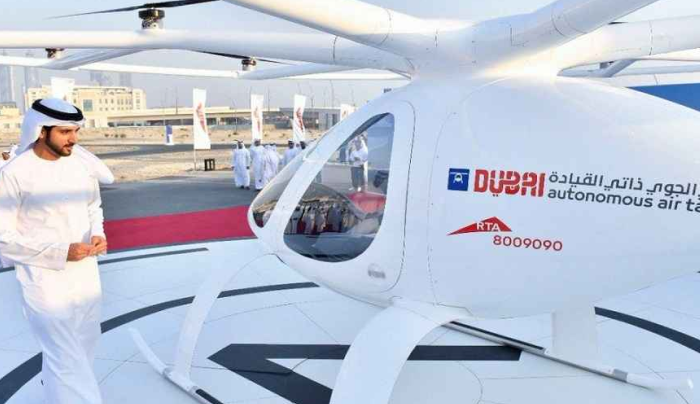
Over the last 20 years, Dubai's population has doubled to 3.7 million. This growth has led to increased traffic congestion, especially on busy routes like the Dubai-Abu Dhabi highway and within the city.
A trip from Dubai International Airport to Palm Jumeirah, which typically takes 45 minutes by car, could be reduced to just 12 minutes with an air taxi. This time-saving potential is a game-changer for daily commuters and tourists alike.
The UAE is also committed to sustainability. Joby’s all-electric air taxis align with Dubai’s Economic Agenda D33, which focuses on clean energy and reducing carbon emissions. By integrating air taxis into the transport network, Dubai aims to ease road congestion and promote eco-friendly mobility.
The Test Flight: A Historic Milestone
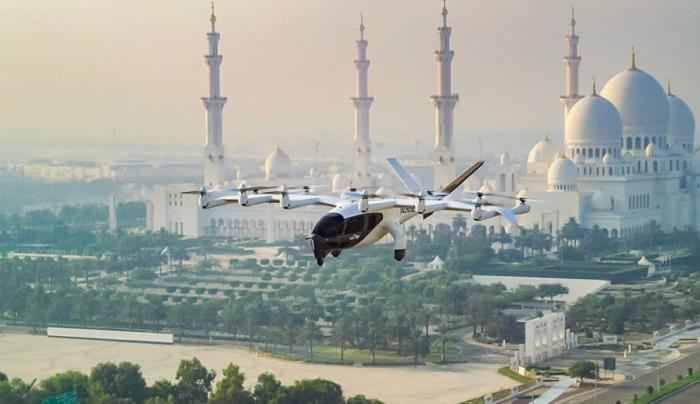
On June 30, 2025, Joby Aviation conducted the region’s first piloted eVTOL test flight at the Dubai Jetman Helipad in Margham, along the Dubai-Al Ain Road. The aircraft's vertical takeoff, wingborne flight transition, and smooth landing were all demonstrated during the flight. His Highness Sheikh Hamdan bin Mohammed bin Rashid Al Maktoum, Dubai’s Crown Prince, hailed it as “a new leap in eco-friendly urban mobility.”
The test was part of a collaboration with the RTA, showcasing advanced features like AI-powered flight controls and redundant safety systems. The aircraft complies with both UAE and U.S. Federal Aviation Authority (FAA) regulations, ensuring safety and reliability.
“This test flight marks a turning point. It reflects our commitment to transforming breakthrough technologies into real-world solutions.”
— Sheikh Hamdan bin Mohammed bin Rashid Al Maktoum
What’s Next for Dubai’s Air Taxis?
Dubai plans to launch commercial air taxi services in the first quarter of 2026. Here’s the roadmap:
- Infrastructure Development: Vertiports are currently under construction at key hubs, with Dubai International Airport as the first to be developed.
- Further Testing: Additional tests will ensure the aircraft performs well in the UAE’s extreme heat, humidity, and dust.
- Commercial Rollout: Joby Aviation has a six-year exclusive contract with the RTA to operate air taxis in Dubai, with services starting in 2026.
- Affordability: Initially targeting premium travelers, Joby aims to make air taxis more affordable over time as more vertiports and aircraft are added.
Abu Dhabi is also advancing its air taxi program, with Archer Aviation completing a driverless eVTOL test flight on July 3, 2025, at Al Bateen Executive Airport. Both cities are positioning the UAE as a global leader in urban air mobility.
How Air Taxis Compare to Other Transport Options?
Transport Mode |
Travel Time (DXB to Palm Jumeirah) |
Emissions |
Cost |
|
Air Taxi |
12 minutes |
Zero |
High (initially) |
|
Car/Taxi |
45 minutes |
High |
Moderate |
|
Metro |
40–50 minutes |
Low |
Low |
The Future of Urban Mobility in the UAE
Dubai’s air taxi initiative is part of a broader vision to lead in advanced transportation. The UAE is building a comprehensive aviation ecosystem, including aircraft manufacturing, pilot training, and airspace management.
This aligns with the country’s goal to become a global hub for innovation, as outlined in the Dubai Economic Agenda D33.
“We want to change the way people commute.”
— Anthony Khoury, Joby Aviation’s UAE General Manager
With both Dubai and Abu Dhabi pushing for air taxi services by 2026, the UAE is setting a global standard for urban air mobility. If successful, this could inspire other cities worldwide to adopt similar solutions.