














Bigger Tyres vs Standard Tyres: Which Is Better for UAE Roads?


If you've ever considered upgrading to bigger tyres, you're not alone. Larger wheels and wider tyres can make a vehicle look more aggressive, improve handling, and even increase ground clearance. It's one of the most popular modifications among car enthusiasts and SUV owners across the UAE.
But while bigger tyres certainly have their advantages, they're not always the best choice for everyday driving.
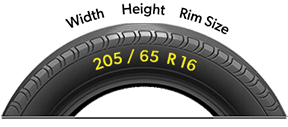
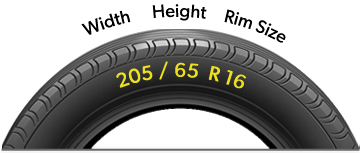
For most UAE motorists, the tyre size recommended by the vehicle manufacturer remains the ideal option. Standard tyres are designed to balance comfort, fuel efficiency, durability, and performance. They also tend to handle potholes, speed bumps, and long daily commutes better than larger, lower-profile alternatives. Not sure what your tyre size means? Explore our Tire Sizing Guide to learn how tyre measurements work and choose the right online tyres in Dubai for your vehicle.
So, should you stick with standard tyres or upgrade to a bigger size?
In this guide, we'll break down the differences between bigger and standard tyres, compare their real-world performance on UAE roads, and help you decide which option best suits your driving needs.
What Does "Bigger Tyres" Actually Mean?
When drivers talk about bigger tyres, they may be referring to different types of upgrades. Understanding the difference is important before making any changes.
Term |
What It Means |
Example |
|
Plus Sizing |
Increasing wheel diameter while reducing sidewall height to maintain a similar overall tyre diameter |
205/55R16 → 225/45R17 |
|
Overall Upsizing |
Increasing both wheel size and overall tyre diameter |
265/70R17 → 285/75R18 |
|
Wider Tyres |
Increasing tyre width without significantly changing diameter |
225mm → 245mm |
Plus-sizing is common on passenger cars because it creates a sportier appearance without dramatically affecting speedometer accuracy. Larger overall tyre sizes are more popular among SUV and 4x4 owners looking for extra ground clearance and off-road capability.
Thinking about upgrading? Compare tyre sizes and explore online tyres in Dubai at PitStopArabia.
Bigger Tyres vs Standard Tyres: Quick Comparison
Factor |
Standard Tyres |
Bigger Tyres |
|
Ride Comfort |
Better comfort and smoother ride |
Firmer ride with more road feedback |
|
Fuel Efficiency |
Better fuel economy |
Higher fuel consumption |
|
Handling & Grip |
Good for everyday driving |
Improved cornering and road grip |
|
Acceleration |
Quicker response |
Slightly slower due to extra weight |
|
Tyre Cost |
More affordable |
More expensive to buy and replace |
|
Pothole Protection |
Better protection from road impacts |
Higher risk of tyre and rim damage |
|
Appearance |
Factory-standard look |
Sportier and more aggressive appearance |
|
Ground Clearance |
Standard height |
Increased clearance (depending on tyre size) |
|
Best For |
Daily commuting, family cars, and fuel-conscious drivers |
Performance cars, SUVs, and off-road enthusiasts |
Why Some Drivers Choose Bigger Tyres
1. Enhanced Grip and Stability
One of the biggest benefits of larger tyres is increased road contact. A wider tyre places more rubber on the road, which can improve traction and stability, particularly at higher speeds.
For drivers who spend a lot of time on UAE highways, this added grip can make the vehicle feel more planted and confident.
2. Sharper Handling
Lower-profile tyres flex less during cornering, resulting in quicker steering response and improved handling. This is one reason why performance vehicles often come equipped with larger wheels from the factory.
3. More Aggressive Appearance
Let's face it, larger wheels simply look better to many drivers. They can transform a vehicle's appearance and create a more premium, sporty stance.
4. Additional Ground Clearance
For SUVs and off-road vehicles, larger tyres can increase ground clearance. This can be useful when driving over rough terrain, speed bumps, or desert tracks.
Looking for the best off-road tyres? Browse leading tyre brands at PitStopArabia.
The Downsides of Bigger Tyres
While larger tyres offer several advantages, they also come with compromises that many drivers don't consider.
1. Higher Fuel Consumption
Larger tyres are heavier and create more rolling resistance. This means your engine has to work harder, which often results in increased fuel consumption.
For drivers covering long distances across the UAE, even a small drop in fuel efficiency can add up over time.
2. Slower Acceleration
Extra wheel and tyre weight can reduce acceleration performance, especially on vehicles with smaller engines. The added rotational mass requires more power to get moving.
3. Reduced Ride Comfort
Bigger wheels usually require lower-profile tyres with shorter sidewalls. Since there is less rubber available to absorb bumps and road imperfections, the ride becomes firmer and less comfortable.
This is particularly noticeable on roads with potholes or uneven surfaces.
4. Increased Road Noise
Lower-profile tyres often generate more road noise, which can reduce cabin comfort during longer journeys.
5. Higher Costs
Bigger tyres and larger wheels are generally more expensive to purchase and replace. They can also increase maintenance and repair costs if damage occurs.
Explore affordable and premium tyre options at PitStopArabia and find the best fit for your budget.
FAQ
1. Will bigger tyres affect my car's fuel consumption?
Yes. Bigger tyres are heavier and create more rolling resistance, increasing fuel consumption by 5-10%. With UAE fuel prices high, this is a significant consideration.
2. Do bigger tyres improve handling?
Yes, on smooth roads. Larger tyres with lower sidewalls provide sharper steering response and better cornering stability. However, the ride becomes stiffer and less comfortable.
3. Are bigger tyres legal in the UAE?
Yes, but with conditions. All tyre modifications must follow factory standards or get RTA approval. Extreme sizes or offsets are banned.
4. Do bigger tyres last longer?
Not necessarily. While they may have more rubber, they are also subject to more stress and heat, which can accelerate wear. Low-profile tyres are also more prone to pothole damage.
5. What's the best tyre size for UAE roads?
For most drivers, the manufacturer-recommended standard size is best. It balances comfort, fuel economy, and cost. If you want sportier handling, a plus-one upgrade (e.g., 18 to 19 inches) is a safer option than a larger jump.
6. Can I use bigger tyres for off-roading in the UAE desert?
Yes. Bigger, wider tyres provide better ground clearance and traction on sand. However, they may reduce fuel efficiency and road comfort.