










Common Misconceptions About Tyre Pressure


Proper tyre pressure ensures safe handling, better fuel economy, and longer tyre life. In the UAE, where temperatures can soar above 40°C, incorrect tyre pressure can lead to blowouts or uneven wear. Let’s clear up some myths to help you drive safely and save money.
Common Misconceptions About Tyre Pressure
1. Myth: All Tyres Need the Same Pressure
Fact: Not all tyres require the same pressure. Each vehicle has a specific recommended tyre pressure, usually found on a sticker inside the driver’s door or in the owner’s manual. For example, a compact sedan may need 32 - 35 PSI, while an SUV might require 35 - 40 PSI. Always check your vehicle’s specifications.
Why It Matters in the UAE: The UAE’s diverse vehicles, from luxury cars to heavy-duty SUVs, mean tyre pressure varies widely. Over- or under-inflating can reduce traction on sandy or hot roads.
2. Myth: You Only Need to Check Tyre Pressure Once a Year
Fact: Tyre pressure should be checked monthly. Temperature changes, especially in the UAE’s extreme heat, cause air to expand or contract, altering tyre pressure. A 10°C temperature change can affect pressure by about 1 - 2 PSI.
Tip: Visit a petrol station or tyre shop in Dubai, Abu Dhabi, or Sharjah to check pressure for free. Use a reliable gauge for accuracy.
3. Myth: Over-Inflating Tyres Improves Fuel Efficiency
Fact: Over-inflating tyres can reduce traction and cause uneven wear, especially in the UAE’s sandy and gravelly terrains. It also makes rides less comfortable and increases the risk of a blowout. Stick to the recommended PSI for optimal performance.
4. Myth: You Can Judge Tyre Pressure by Looking
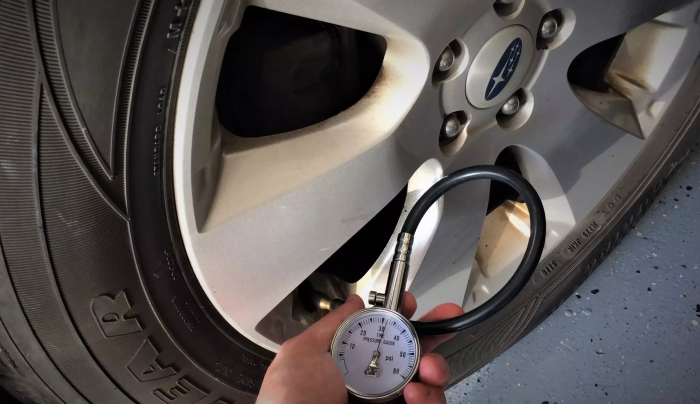
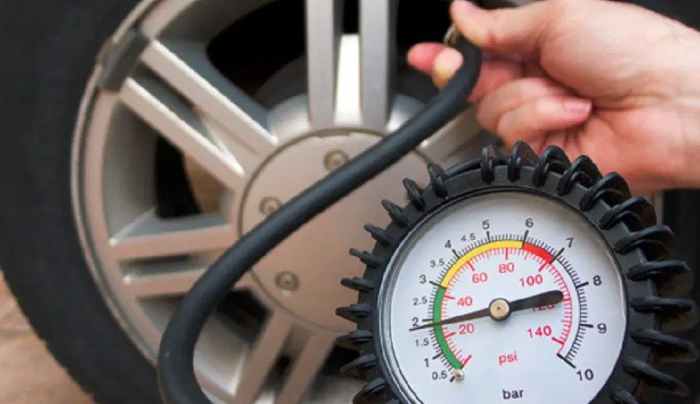
Fact: Visual checks can’t accurately determine tyre pressure. A tyre may look fine but be under-inflated by 10 PSI or more, reducing fuel efficiency by up to 3%. Always use a pressure gauge.
UAE Context: High temperatures can mask under-inflation, as hot air expands, making tyres appear properly inflated.
5. Myth: Tyres Don’t Lose Pressure Naturally
Fact: Tyres lose about 1 PSI per month due to natural air leakage, even without punctures. In the UAE’s heat, this loss can be faster, so regular checks are essential.
Tyre Pressure Guidelines for UAE Drivers
Vehicle Type |
Recommended PSI (Cold) |
Best Time to Check |
|
Sedans |
32–35 PSI |
Early morning |
|
SUVs/4x4s |
35–40 PSI |
Before long drives |
|
Trucks |
40–50 PSI |
After cooling down |
How to Maintain Proper Tyre Pressure in the UAE
- Check Monthly: Use a digital or manual gauge at a petrol station or tyre shop in cities like Dubai or Ajman.
- Adjust for Temperature: In summer, tyres may need slight adjustments due to heat expansion. Refer to your vehicle’s manual.
- Inspect for Damage: Look for cuts, punctures, or uneven wear, common on UAE’s rocky terrains.
- Rotate Tyres: Rotate every 10,000 km to ensure even wear, especially for 4x4s used in desert driving.
- Use Nitrogen (Optional): Nitrogen-filled tyres lose pressure slower and are less affected by heat, ideal for the UAE.
FAQs
1. How often should I check my tyre pressure in the UAE?
You should check tyre pressure monthly, especially in the UAE’s hot climate, as temperature changes affect pressure.
2. Can I use the same tyre pressure for summer and winter?
No, adjust pressure slightly in summer due to heat expansion. Check your vehicle’s manual for guidance.
3. Where can I find the correct tyre pressure for my car?
Look for a sticker on the driver’s side door frame or check your vehicle’s owner’s manual.
4. Is it safe to drive with slightly low tyre pressure?
Driving with low pressure reduces fuel efficiency, increases wear, and risks blowouts, especially on hot UAE roads.
5. Are nitrogen-filled tyres better for the UAE?
Nitrogen maintains pressure longer in extreme heat, but regular air works fine if you check the pressure regularly.