














Electric Vehicle Safety Checklist: 10 Essential Checks Every EV Owner Should Follow


Electric vehicles are generally safe, but they require specific maintenance different from conventional cars. A proactive safety checklist is crucial for EV owners, especially in the UAE’s extreme climate.
Key checks include monitoring battery state of charge, maintaining tyre pressure (EVs are heavier and wear tyres faster), and ensuring the cooling system functions properly in the summer heat. Other essential tasks involve inspecting the braking system, managing charge levels, keeping the vehicle clean, and checking software updates.
Unlike petrol cars, EVs do not require oil changes, but their unique systems need specialised attention. In the harsh summer months (June-September), EV owners must be particularly vigilant, as high temperatures accelerate battery degradation and impact tyre performance.
Electric Vehicle Safety Checklist: 10 Essential Checks
1. Monitor Your Battery Health Weekly
Why it matters:
The battery is the most important component of an EV. In UAE’s extreme heat, long exposure to high temperatures speeds up the chemical ageing process in lithium-ion cells, reducing overall battery capacity over time.
What to check:
- Use your vehicle’s built-in battery health monitor or apps like My Battery Health or Dr.EV to track State of Health (SOH)
- Keep daily charge between 20% and 80% to extend battery life
- Avoid frequent 100% charging, especially in hot weather
- Allow the battery to cool before charging after long drives
- Use scheduled charging during cooler hours (early morning or night)
2. Check Cooling System Functionality
Why it matters:
The cooling system protects the battery and motor from overheating. In UAE temperatures that often exceed 45°C, a malfunctioning system can cause serious battery damage.
What to check:
- Watch for dashboard warnings related to temperature or cooling issues
- Get regular inspections including pressure tests and coolant checks
- Increase inspection frequency during summer (June to September)
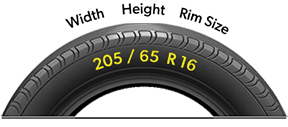
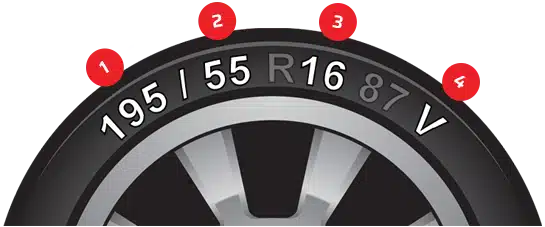
3. Inspect Tyres Monthly (Critical for EV Safety)
Why it matters:
EVs are heavier than petrol vehicles due to battery weight, which increases tyre stress and wear. Proper tyre maintenance directly affects safety, performance, and driving range.
What to check:
- Check tyre pressure weekly when tyres are cold
- Maintain correct pressure to avoid uneven wear and reduced handling
- Inspect tread depth; legal minimum in UAE is 1.6mm, but 3mm is recommended for safety
- Look for cuts, cracks, bulges, or embedded objects
- Rotate tyres every 10,000 km for even wear
- Pay attention to TPMS warnings if your vehicle supports it
PitStopArabia offers a wide range of tyre brands and allows you to buy tyres online with hassle-free booking and professional mobile fitting services across the UAE. You can choose from premium and budget tyre brands and get them installed at your location for maximum convenience.
4. Test Brake System
Why it matters:
EVs use regenerative braking, which reduces wear on traditional brakes but can lead to corrosion or sticking if not regularly used.
What to check:
- Listen for unusual sounds such as squeaking or grinding
- Replace brake fluid every 2–3 years
- Inspect and clean brake components every 1–2 years in humid or coastal areas
- Follow manufacturer-recommended service intervals
- Check dashboard brake warning lights regularly
5. Inspect Charging Cable and Port
Why it matters:
Damaged charging equipment can cause overheating, electrical faults, or fire hazards.
What to check:
- Inspect cables for cuts, fraying, or exposed wires
- Check connectors for damage, discoloration, or bent pins
- Ensure the charging port is clean and free from dust or corrosion
- Store charging cables properly after use to prevent damage
- Ensure compliance with approved UAE charging safety standards
6. Update Vehicle Software and Monitor Alerts
Why it matters:
EV manufacturers release software updates that improve safety, performance, and battery management. Missing updates may affect vehicle efficiency and safety.
What to check:
- Install over-the-air (OTA) updates when available
- Keep the battery management system (BMS) updated
- Monitor dashboard alerts and respond immediately
- Use manufacturer apps for real-time vehicle diagnostics
7. Keep Your EV Clean
Why it matters:
Dust, salt, and debris can cause corrosion and damage to electrical and mechanical components over time.
What to check:
- Wash your EV regularly, including the undercarriage
- Clean charging port areas to prevent blockage or corrosion
- Rinse thoroughly after beach driving or exposure to salt
- Keep cooling vents and airflow areas clean
8. Manage Charging Habits in Extreme Heat
Why it matters:
High temperatures in the UAE can significantly reduce battery efficiency and lifespan.
What to check:
- Allow battery to cool for 30–60 minutes before charging after long drives
- Maintain 20%–80% charge range for daily use
- Avoid frequent fast charging in extreme heat
- Reduce charging during peak temperature hours
9. Schedule Professional Inspections Annually
Why it matters:
Even though EVs require less maintenance than fuel vehicles, annual professional inspections help detect hidden issues.
What to check annually:
- High-voltage battery system health
- Cooling system performance and coolant condition
- Brake system calibration and condition
- Charging port and connector inspection
- Suspension and underbody condition
- Software and diagnostic system checks
10. Know What to Do in an Emergency
Why it matters:
EVs contain high-voltage systems that require special handling during accidents or fire situations.
What to know:
- Do not touch high-voltage orange cables
- In case of smoke or fire, evacuate immediately and call emergency services
- Never attempt to extinguish a battery fire yourself
- After any serious accident, have the EV inspected by a certified technician
- Keep emergency procedures and towing instructions in your vehicle
FAQ
1. Do electric vehicles require more maintenance than petrol cars?
No. EVs have fewer moving parts and do not require oil changes, spark plugs, or exhaust system repairs. However, they do require specialised attention to the battery, cooling system, and regenerative brakes. Regular tyre pressure checks are especially important due to EV weight.
2. How often should I check my EV’s tyre pressure in UAE summer?
At least every two weeks, when tyres are cold (early morning). The UAE’s summer heat causes air to expand, and under‑inflated tyres wear unevenly and affect handling and range.
3. Can I charge my EV during the hottest part of the day?
It is better to charge during the cooler early morning or night hours. Let the battery cool before charging in hot weather. Charging a hot battery accelerates degradation and can reduce efficiency.
4. Is it safe to drive an EV through water?
Modern EVs have sealed battery packs and high‑voltage components designed to withstand water immersion to a certain degree. However, driving through deep standing water is not recommended for any vehicle, EV or petrol. If your EV has been submerged, have it inspected by a certified technician before driving.
5. What is the ideal battery state of charge for daily driving?
For maximum battery lifespan, keep the state of charge between 20% and 80% for daily use. Frequent 100% charging, especially in extreme heat, can harm the battery