










How Do I Know If I’m Using the Wrong Tyres? Signs, Risks & What to Do


Many drivers unknowingly use the wrong tyres, which can lead to poor performance, faster wear, and even dangerous situations on the road. Using the wrong tyres can increase your tyre replacement cost, reduce grip, and force you to look for a tyre shop online service much earlier than expected.
If you’ve ever wondered, “How do I know if I’m using the wrong tyres?”, this guide will help you identify the warning signs, choose the right tyres for your car, and fix the problem.
What Does “Wrong Tyres” Mean?
Using the wrong tyres doesn’t always mean they don’t fit your car. It can also include:
- Incorrect tyre size
- Wrong load index or speed rating
- Tyres not suitable for your climate (e.g., extreme heat)
- Worn-out or low-quality tyres
- Mismatched tyres on the same vehicle
Signs You’re Using the Wrong Tyres
1. Poor Fuel Efficiency
If your car is consuming more fuel than usual, your tyres could be a hidden reason. Tyres with high rolling resistance force your engine to work harder, increasing fuel consumption. According to automotive studies, incorrect or low-quality tyres can increase fuel usage by up to 3-7%.
What to check:
- Are your tyres properly inflated?
- Are they designed for fuel efficiency?
Do they match your vehicle specifications?
2. Uneven or Rapid Tyre Wear
Tyres should wear evenly across the tread. If you notice uneven wear patterns or your tyres are wearing out too quickly, something is wrong.
On average, a good quality tyre lasts 40,000-60,000 km. If yours wear out much earlier, they may not be suitable for your vehicle or driving conditions.
Common causes:
- Incorrect tyre size
- Wrong tyre type for road conditions
- Mismatch between tyres and suspension/alignment
3. Excessive Road Noise
Tyres play a major role in cabin comfort. Wrong tyres, especially those with aggressive or incorrect tread patterns, can increase road noise.
Studies show that tyre choice can affect cabin noise levels by up to 5–10 decibels, which is noticeable to drivers.
Possible reasons:
- Wrong tread design
- Poor tyre quality
- Worn-out tyres
4. Poor Handling or Reduced Grip
Handling and braking performance depend heavily on your tyres. If you feel less control while turning or stopping, your tyres could be unsafe.
Wrong tyres can lead to:
- Reduced road grip
- Longer braking distances
- Increased risk of skidding
Research shows that worn or unsuitable tyres can increase braking distance by up to 30-40%, especially at high speeds.
5. Tyres Overheating in Hot Weather
In hot climates, tyre selection becomes even more critical.
Road surface temperatures can exceed 60–70°C in summer, and tyres not designed for such conditions may overheat quickly.
Warning signs:
- Frequent pressure loss
- Visible cracks or bulges
- Soft or weak tyre sidewalls
Overheating increases the risk of tyre failure and blowouts.
6. Vehicle Feels Unstable or Vibrates
If your car feels unstable, especially at higher speeds, your tyres could be the issue.
You may notice:
- Steering vibration
- The car is pulling to one side
- Unbalanced driving feel
Possible reasons:
- Mismatched tyre sizes
- Incorrect load index
- Different tyre brands/types on the same vehicle
Even small differences between tyres can affect stability and safety.
7. Frequent Punctures or Blowouts
If your tyres get punctured often or fail unexpectedly, they may not be suitable for your driving conditions.
Wrong or low-quality tyres are more prone to:
- Sidewall damage
- Road punctures
- Sudden blowouts
According to road safety data, tyre-related issues contribute to a significant percentage of highway breakdowns, especially in hot weather conditions.
Common Signs of Wrong Tyres (Quick Reference Table)
Problem / Symptom |
Possible Cause |
Risk Level |
|
Poor Fuel Efficiency |
High rolling resistance tyres |
Medium |
|
Uneven Wear |
Wrong size or alignment issue |
High |
|
Road Noise |
Incorrect tread pattern |
Low |
|
Poor Grip |
Wrong tyre type or quality |
High |
|
Overheating |
Not heat-resistant tyres |
Critical |
|
Vibrations |
Mismatched tyres |
High |
|
Frequent Punctures |
Low-quality tyres |
Critical |
Why Using the Wrong Tyres Is Dangerous
Even a small mismatch in tyre type, size, or quality can reduce your vehicle’s efficiency and increase the risk of serious accidents, especially at high speeds or in hot weather.
Studies show that tyre-related problems contribute to a significant number of road incidents, many of which can be prevented by choosing the right tyres.
-
Reduced Braking Performance
Incorrect or worn tyres can increase braking distance by up to 30-40%, especially at high speeds, increasing the chances of collisions.
-
Poor Fuel Efficiency
Tyres with high rolling resistance can increase fuel consumption by 3-7%, costing you more over time.
-
Higher Risk of Accidents
Low grip and poor traction reduce vehicle control, especially during sudden turns or emergency braking situations.
-
Increased Maintenance Costs
Wrong tyres wear out faster and can put extra stress on the suspension, leading to frequent repairs and replacements.
-
Danger of Tyre Blowouts
In hot climates, road temperatures can exceed 60°C, increasing the risk of sudden tyre failure at high speeds.
How to Check If Your Tyres Are Correct
By following a few simple checks, you can quickly identify whether your tyres are suitable for your car and driving conditions.
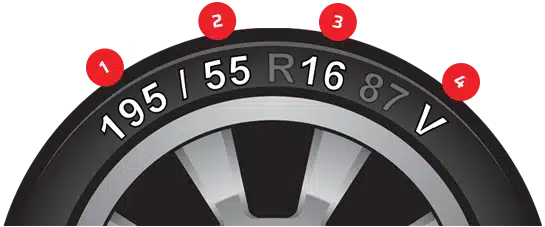
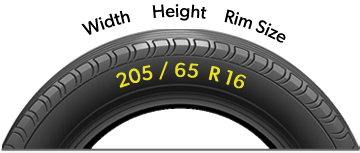
1. Check Tyre Size
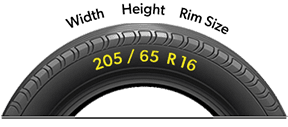
Every tyre has a specific size printed on its sidewall, such as 205/55 R16. This number represents the tyre’s width, profile, and rim size. Your tyre size must exactly match the specifications recommended by your car manufacturer.
Using the wrong size can affect:
- Speedometer accuracy
- Fuel efficiency
- Handling and stability
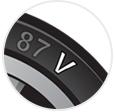
2. Check Load Index & Speed Rating
Tyres are designed to carry a specific weight and handle certain speeds safely. This is indicated by the load index and speed rating on the tyre. Using tyres with a lower rating than recommended can be dangerous.
- Load Index = Maximum weight the tyre can carry
- Speed Rating = Maximum safe speed capability
If these are incorrect, it can lead to:
- Tyre overheating
- Reduced stability
- Increased risk of tyre failure
3. Check Manufacturing Date (Tyre Age)
You can check the manufacturing date using the DOT code on the tyre sidewall. For example, “2422” means the tyre was manufactured in the 24th week of 2022.
Experts recommend replacing tyres every 4–5 years, regardless of usage.
Old tyres can:
- Lose grip
- Develop cracks
- Increase the risk of blowouts
4. Check for Matching Tyres
All four tyres on your car should ideally be identical in terms of:
- Size
- Type (summer, all-season, etc.)
- Tread pattern
- Brand (recommended)
Mixing different tyres can affect your car’s balance and handling. It may cause:
- Uneven wear
- Poor traction
- Steering instability
5. Consider Your Driving Conditions
Your tyres should match the environment you drive in. This is especially important in hot climates, where road temperatures can exceed 60°C.
Ask yourself:
- Do I drive in extreme heat?
- Do I travel long distances daily?
- Do I need better fuel efficiency?
Do I drive mostly on highways or city roads?
Choosing tyres suited to your driving conditions helps:
- Improve safety
- Extend tyre life
- Reduce fuel consumption
Which Tyres Are Best for Hot Weather?
The best tyres for hot weather are summer or high-quality touring tyres with heat-resistant rubber, strong grip, and low rolling resistance, ensuring better safety, durability, and fuel efficiency in extreme temperatures.
In hot climates, road temperatures can reach 60–70°C, which can increase tyre wear by 20–30% if the tyres are not suitable.
Look for tyres with:
- Heat-resistant rubber compounds to prevent overheating
- Strong grip for better braking (can reduce braking distance by up to 20%)
- Low rolling resistance to improve fuel efficiency by 3–5%
- Durable construction to handle long-distance driving
- Reinforced sidewalls to reduce blowout risk
When Should You Replace Your Tyres?
You should replace your tyres if the tread depth is below 1.6 mm, or if you notice cracks, bulges, air pressure loss, uneven wear, or tyres older than 4–5 years.
Replace Your Tyres If You Notice:
Low Tread Depth
If the tread depth is below 1.6 mm (the legal limit in many countries), grip reduces significantly. Worn tyres can increase braking distance by up to 30% on wet roads.
Cracks or Bulges
Visible cracks or sidewall bulges indicate structural damage. These can lead to sudden tyre failure or blowouts.
Frequent Air Pressure Loss
If your tyre loses pressure regularly, it may have internal damage or leaks. Underinflated tyres can increase blowout risk by up to 50%.
Uneven Tyre Wear
Incorrect tyres, alignment issues, or suspension problems may cause uneven wear. This reduces stability and shortens tyre lifespan.
Old Tyres (4–5 Years or More)
Even unused tyres degrade over time. Experts recommend replacing tyres after 4–5 years, regardless of condition.
FAQ
1. How do I know if I’m using the wrong tyres for my car?
If you notice poor fuel efficiency, uneven tyre wear, vibrations, or reduced grip, you may be using the wrong tyres. Checking the tyre size, load index, and speed rating against your manufacturer’s specifications can confirm this.
2. Can the wrong tyre size affect fuel efficiency?
Yes, using the incorrect tyre size can increase rolling resistance and raise fuel consumption by 3-7%. Properly sized tyres improve efficiency, handling, and overall vehicle performance.
3. Is it dangerous to use mismatched tyres on the same vehicle?
Yes, mismatched tyres can cause instability, uneven wear, and reduced braking performance. For optimal safety, all four tyres should ideally match in size, type, and tread pattern.
4. How often should tyres be replaced?
Tyres should be replaced when tread depth falls below 1.6 mm or after 4–5 years, even if they appear in good condition. Old or worn tyres significantly increase braking distance and blowout risk.
5. What happens if I use tyres not suitable for hot weather?
Tyres not designed for extreme heat can overheat, wear 20–30% faster, and increase the risk of blowouts. Choosing heat-resistant tyres improves safety and durability in high-temperature conditions.
6. Can wrong tyres increase braking distance?
Yes, worn or unsuitable tyres can increase braking distance by up to 30–40%, especially at higher speeds. Correct tyre selection ensures better grip and shorter stopping distances.
7. Do low-quality tyres increase the risk of punctures?
Low-quality tyres are more prone to sidewall damage, punctures, and sudden failures. Investing in high-quality tyres reduces long-term maintenance costs and improves road safety.
8. How can I check if my tyres match my car manufacturer’s recommendations?
You can check your owner’s manual or the sticker inside the driver’s door for the recommended tyre size and ratings. Matching these specifications ensures proper performance and safety.