










What Happens If You Use a Lower Tyre Speed Rating? Risks Every UAE Driver Should Know


Using a lower tyre speed rating than recommended may save money upfront, but it can compromise your safety. In the UAE's extreme heat and high-speed driving conditions, lower-rated tyres can overheat, wear out faster, and even increase the risk of a blowout.
They may also lead to failed RTA inspections, insurance claim issues, and legal penalties. Choosing the correct speed rating is essential for safe and reliable driving.
The Real Risks of Using a Lower Speed-Rated Tyre
Many drivers assume that if they never exceed the speed limit, a lower speed-rated tyre will work just fine. Unfortunately, that's not the case. Your tyre's speed rating affects much more than top speed; it also influences how well the tyre handles heat, braking, stability, and overall performance.
Here are the biggest risks of choosing a tyre with a lower speed rating than your vehicle manufacturer recommends.
1. Higher Risk of Heat Build-Up and Tyre Failure
Tyres naturally generate heat while driving, especially on highways. A lower speed-rated tyre isn't designed to withstand the same level of heat as a higher-rated one. In the UAE, where road temperatures can exceed 60°C during summer, this extra heat can cause the tyre to wear faster, lose its shape, or, in severe cases, suffer a dangerous blowout.
2. Reduced Braking and Handling Performance
A lower-rated tyre can affect how your vehicle responds on the road. You may experience longer braking distances, less grip while cornering, and reduced stability during sudden lane changes. These differences become even more noticeable when driving SUVs, performance cars, or regularly travelling on UAE highways.
3. Insurance Claim Issues
Many drivers don't realise that using tyres that don't meet the manufacturer's specifications could create problems with their insurance. If an accident investigation finds that incorrect tyres contributed to the incident, your insurer may reduce or even reject your claim, leaving you to cover the costs yourself.
4. Failed RTA Inspection and Legal Penalties
Vehicles in the UAE must meet RTA safety requirements. If your tyres don't comply with the recommended specifications, including the correct speed rating, your vehicle could fail inspection. Depending on the situation, this may lead to fines, delays, or additional costs to replace non-compliant tyres.
5. Lower Fuel Efficiency
Using the wrong speed-rated tyre can also affect fuel economy. Lower-rated tyres often create more rolling resistance, forcing your engine to work harder. Over time, this can increase fuel consumption and make your vehicle more expensive to run.Don't compromise on safety or performance.
Choose the best car tyres based on your vehicle, tyre size, and speed rating, and enjoy professional fitting anywhere in the UAE.
Can You Use a Higher Tyre Speed Rating?
Yes. Choosing a tyre with a higher speed rating than your vehicle requires is generally safe and can even offer better driving performance. These tyres are built to handle higher speeds and greater heat, making them well-suited for UAE driving conditions.
Knowing your tyre code makes buying new tyres easier. Enter your tyre size on PitStopArabia to compare genuine tyres from leading brands and find the perfect fit for your vehicle.
Benefits of a higher speed-rated tyre:
- Improved handling and steering response
- Better stability at highway speeds
- Enhanced heat resistance
- Suitable for high-performance and long-distance driving
Things to consider:
- Slightly firmer ride due to stiffer sidewalls
- Usually more expensive than lower-rated tyres
Compare premium car tyres, mid-range, and budget tyres, choose the right fit for your vehicle, and buy car tyres online in the UAE with confidence.
How to Check the Correct Speed Rating for Your Car
Where to Check |
How to Find the Correct Speed Rating |
|
Owner's Manual |
Check your vehicle owner's manual for the recommended tyre size, load index, and speed rating. |
|
Driver's Door Sticker |
Open the driver's door and look for the information label near the door frame. It lists the approved tyre size and speed rating. |
|
Current Tyre Sidewall |
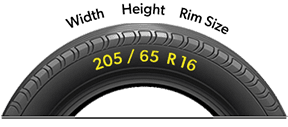
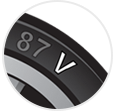
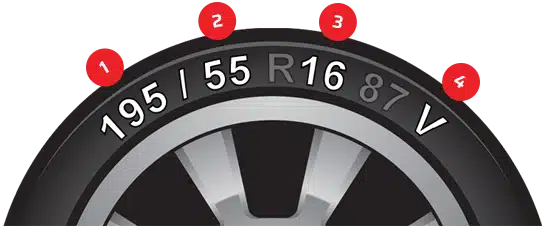
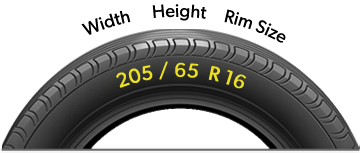
Look at your existing tyre. A code such as 225/55 R17 97W is printed on the sidewall; the last letter (W) indicates the tyre's speed rating. |
FAQ
1. Can I use a lower tyre speed rating if I don't drive fast?
No. Even at normal highway speeds, a lower speed-rated tyre can overheat in the UAE's extreme temperatures, increasing the risk of faster wear and tyre failure.
2. Is it safe to mix different tyre speed ratings on the same vehicle?
No. Mixing different speed ratings can affect handling, braking, and tyre wear. For the best safety and performance, all four tyres should have the same speed rating.
3. Can using the wrong tyre speed rating affect my insurance?
Yes. If your tyres don't meet the manufacturer's specifications, it could create issues with insurance claims if they're found to have contributed to an accident.
4. Can I fit tyres with a higher speed rating than recommended?
Yes. Using a higher speed-rated tyre is generally safe and may provide improved handling, stability, and heat resistance, especially for UAE driving conditions.
5. How do I check the correct tyre speed rating for my car?
You can find it in your vehicle owner's manual, on the driver's door sticker, or on your current tyre sidewall, where the final letter indicates the speed rating.
6. Does PitStopArabia offer tyres with different speed ratings?
Yes. PitStopArabia offers a wide range of genuine GCC-spec tyres with various speed ratings, helping you choose the right tyre for your vehicle with professional fitting across the UAE.