












Is Your Car Ready for the MOT? Here's How to Check Your Tyres


If your vehicle inspection is coming up, it's worth taking a few minutes to check your tyres before you head to the test centre. In the UAE, your car can fail the inspection if your tyres don't meet the required safety standards. The good news? Most tyre-related issues are easy to spot and fix before your appointment.
To pass the inspection, your tyres should have at least 1.6mm of tread depth, be less than five years old, show no cracks, bulges, or cuts, and have matching tyre sizes and tread patterns on the same axle. A quick inspection now can save you the hassle of a failed test later.
Shop Tyres Online in Sharjah and Let PitStopArabia Bring Professional Tyre Fitting to Your Doorstep
Why Tyres Are One of the Most Common Reasons Vehicles Fail Inspection
Your tyres are the only part of your car that stays in constant contact with the road, so it's no surprise they're one of the first things inspectors check. Worn tread, visible damage, or ageing tyres can all result in a failed inspection because they increase the risk of poor braking, reduced grip, and tyre blowouts, especially during the UAE's hot summer months.
Taking a few minutes to inspect your tyres before your vehicle test can help you avoid unnecessary delays and keep your car safe and road-ready.
The 4 Critical Tyre Checks You Must Pass
1. Tread Depth: The 1.6mm Rule
UAE law mandates a minimum tread depth of 1.6mm across the entire tyre circumference. Any tyre below this limit will fail inspection immediately.
Why it matters: Tread depth is what gives your tyres grip on the road, especially during braking and in wet conditions. Below 1.6mm, your braking distance increases dramatically, and the risk of aquaplaning skyrockets.
How to check:
The 1 AED coin test: Insert a 1 AED coin into the main tread groove. If you can see the top of the coin, your tread is below 1.6mm, and you need new tyres.
Visual inspection: Look for wear indicators, small rubber bars inside the tread grooves. If they're flush with the tread surface, it's time to replace your tyres.
2. Tyre Age: The 5-Year Rule
The requirement: UAE regulations strictly prohibit using tyres older than 5 years from their manufacturing date, regardless of tread depth or how new they look. In Sharjah, some sources indicate a 3-year limit for certain vehicles.
Why it matters: Even if a tyre looks perfect, the rubber compounds degrade over time. Heat, UV exposure, and the UAE's extreme climate accelerate this ageing process, making the tyre brittle and prone to cracking or blowouts.
How to check:
- Look on your tyre's sidewall for the DOT code.
- Find the last four digits; they indicate the week and year of manufacture.
- For example, “3521” means the tyre was made in the 35th week of 2021.
- If the year is 2021 or earlier, your tyres are over 5 years old and must be replaced.
Find Out How Long Your Tyres Should Last and What Shortens Their Lifespan
3. Tyre Condition: No Cracks, Bulges, or Cuts
The requirement: Any tyre with visible damage, cracks, bulges, cuts, or exposed cords will fail inspection.
Why it matters: Cracks and bulges indicate structural weakness. A tyre with sidewall damage can blow out without warning, especially at highway speeds or in extreme heat. The UAE's intense sun and temperature cycling accelerate sidewall wear.
What to check:
- Sidewalls: Run your hand around the sidewall, feeling for cracks, cuts, or bulges.
- Tread area: Look for uneven wear, cuts, or embedded objects (nails, screws).
- Exposed cords: If you see fabric or metal cords through the rubber, the tyre is unsafe.
Look for These Common Tyre Wear Signs Before It’s Too Late
4. Matching Tyres: Same Brand and Pattern on Each Axle
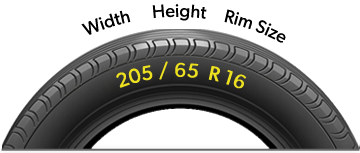
The requirement: Tyres on the same axle must be the same brand, size, and tread pattern. Mixing different tyre types on the same axle can cause handling issues and will result in inspection failure.
Why it matters: Different tyres on the same axle can have varying grip levels, which can become dangerous during emergency braking or cornering.
What to check:
- Ensure both front tyres match each other
- Ensure both rear tyres match each other
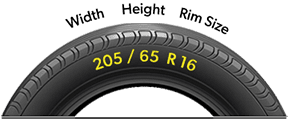
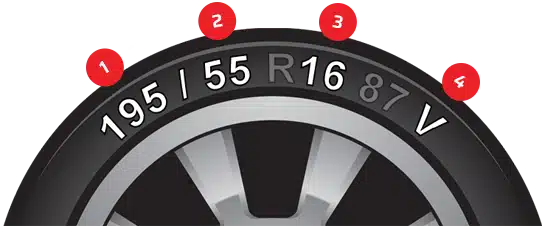
- Tyre size and speed rating should match the manufacturer's specifications
When to Replace Your Tyres Before the MOT
Tyre Condition |
What You Should Do |
|
Tread depth below 1.6mm |
Replace the tyre immediately |
|
Tyres over 5 years old (check the DOT code) |
Replace the tyres immediately |
|
Visible cracks, bulges, or cuts |
Replace the damaged tyre immediately |
|
Uneven tread wear |
Get your wheel alignment checked and replace the tyre if necessary |
|
Different tyre brands on the same axle |
Replace the tyres with matching brands and tread patterns |
|
Tyre pressure keeps dropping |
Check for punctures or leaks and replace the tyre if it's damaged |
Buy Premium Tyres, Mid-Range & Budget Tyres Online in the UAE
Why Choose PitStopArabia for Your Pre-MOT Tyre Replacement?
PitStopArabia is the UAE's largest online tyre platform, connecting drivers with a trusted network of 400+ certified tyre installers across all seven emirates.
Here's why thousands of drivers choose PitStopArabia before their vehicle inspection:
- Mobile tyre fitting at your home, office, or roadside, no need to visit a garage
- 400+ certified installers across Dubai, Abu Dhabi, Sharjah, Ajman, Umm Al Quwain, Ras Al Khaimah, and Fujairah
- Wide selection of genuine tyres from leading brands, including Michelin, Bridgestone, Hankook, Pirelli, Continental, Goodyear, and more
- 100% genuine GCC-spec tyres backed by a full manufacturer warranty
- Transparent pricing with VAT, delivery, fitting, wheel balancing, and old tyre disposal included
- Flexible payment options with Tabby and Tamara, allowing you to pay in four interest-free instalments
FAQ
1. What is the minimum tread depth for tyres in UAE?
The legal minimum is 1.6mm. However, safety experts recommend replacing tyres at 2-3mm for better safety.
2. Can I use tyres older than 5 years in the UAE?
No. UAE law strictly prohibits tyres older than 5 years from their manufacturing date, regardless of tread depth. Driving on expired tyres carries fines and black points.
3. How do I check my tyre's manufacturing date?
Look for the DOT code on the tyre sidewall. The last four digits indicate the week and year of manufacture. For example, “3521” = 35th week of 2021.
4. What happens if my tyres fail the inspection?
You will need to replace the tyres and book a re-inspection. Additionally, driving on expired or damaged tyres can result in fines, black points, and vehicle impoundment.
5. Can I mix tyre brands on my car?
Tyres on the same axle must be the same brand, size, and tread pattern. Mixing different tyres on the same axle will cause an inspection failure