














Racing Tyres vs Road Tyres: Key Differences and Best Choices


If you're a car lover in the UAE, you might wonder about the difference between racing tyres and road tyres. Racing tyres are built for speed and grip on tracks, while road tyres focus on daily driving, safety, and long life.
In the UAE's hot climate and busy roads, picking the right tyre matters a lot.
What Are Racing Tyres?
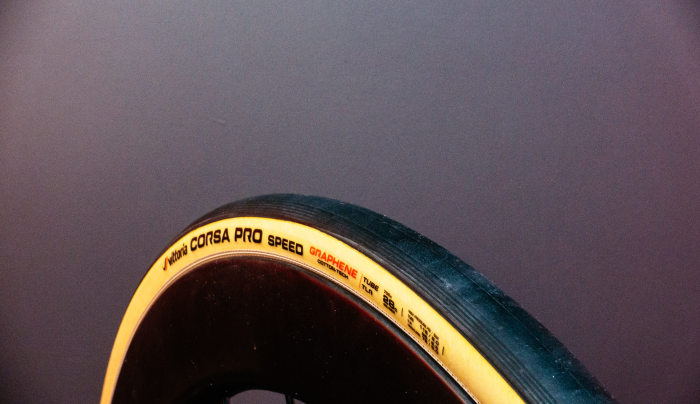
Racing tyres, also called track tyres, are designed for high-speed racing. They use soft rubber compounds that heat up fast for better grip. Brands like Pirelli and Michelin offer advanced racing tyres with wider designs for more stability.
These tyres handle sharp turns and quick stops well, but they're not ideal for everyday use. In the UAE, you can find them at specialist shops for track days at places like Dubai Autodrome.
What Are Road Tyres?
Road tyres, or street tyres, are made for normal driving on highways and city roads. They last longer and provide a smooth, quiet ride. Trends indicate wider road tyres (such as 28-30mm for bikes or larger for cars) for improved comfort without sacrificing speed.
They're built to handle heat, which is key in the UAE's desert weather. Popular brands include Bridgestone and Continental, available at tyre shops across Dubai and Abu Dhabi.
Key Differences Between Racing Tyres and Road Tyres
Here's a simple table:
Feature |
Racing Tyres |
Road Tyres |
|
Purpose |
High-speed tracks, maximum grip |
Daily driving, safety on public roads |
|
Tread Pattern |
Slick or minimal tread for dry tracks |
Deep grooves for water and sand drainage |
|
Rubber Compound |
Soft, sticky for quick heating |
Harder, durable for long wear |
|
Durability |
Lasts 1,000-5,000 km on track |
Lasts 50,000-80,000 km on roads |
|
Grip |
Excellent in dry, high-heat conditions |
Good in wet, dry, and mixed weather |
|
Comfort |
Stiff, bumpy on normal roads |
Soft, quiet for smooth rides |
|
Price (in UAE) |
AED 1,500-3,000 per tyre |
AED 300-1,000 per tyre |
|
UAE Suitability |
Great for racing events, but check regs |
Ideal for hot roads, must be <5 years old |
Pros and Cons of Racing Tyres
Racing tyres shine on the track but have limits for UAE roads.
Pros
- Super grip for fast corners and stops.
- Quick response in high-speed situations.
- Lighter weight for better performance.
Cons
- Wear out fast, not cost-effective for daily use.
- Poor in wet or sandy conditions common in UAE.
- Can overheat on long highway drives.
Pros and Cons of Road Tyres
Road tyres are practical for UAE's mix of city and desert driving.
Pros
- Long-lasting, saves money over time.
- Better fuel efficiency with low rolling resistance.
- Handles heat well, key for UAE summers up to 50°C.
Cons
- Less grip than racing tyres on tracks.
- May feel slower in sporty driving.
- Need regular checks for tread wear.
Considerations for UAE Drivers
In the UAE, tyre rules are strict for safety:
- Tyres can't be older than 5 years (check DOT code on sidewall).
- Minimum tread depth is 1.6mm; below that, you face AED 500 fine and black points.
- Store tyres below 25°C to avoid damage.
- For racing, use approved tyres at events; road tyres must meet environmental standards for lower emissions.
Best tyres in UAE market:
- Road Tyres: Michelin, Bridgestone, Continental; great for durability in heat.
- Racing Tyres: Pirelli, Yokohama; available for track use, but not for public roads.
Shop at PitStopArabia for deals.
FAQs
What is the main difference between racing tyres and road tyres?
Racing tyres focus on grip and speed for tracks, while road tyres prioritise durability and comfort for everyday roads.
Can I use racing tyres on UAE public roads?
No, racing tyres aren't street-legal in the UAE. They lack proper tread for safety and can lead to fines.
How often should I replace tyres in the UAE?
Replace every 5 years or when tread reaches 1.6mm. In hot UAE weather, check every 5,000km for wear.
Which tyre brands are best for UAE?
For road, Michelin and Bridgestone. For racing, Pirelli and Continental. They handle heat and offer good value.
Are wider tyres better for UAE roads?
Yes, wider tyres (like 28mm+) provide more comfort and stability on sandy or uneven roads without increasing rolling resistance.