











Which Tyre Sizes Are Safest for Your SUV in the UAE?


Tyre size affects your SUV’s safety, fuel efficiency, and handling. In the UAE, where temperatures can soar above 40°C and roads range from smooth tarmac to sandy trails, the right tyre size ensures:
- Safety: Proper grip and stability on hot roads or loose sand.
- Performance: Smooth handling in city traffic or off-road adventures.
- Durability: Tyres that withstand heat and rough terrain.
Using the wrong tyre size can lead to poor traction, faster wear, or even accidents. Let’s explore how to pick the safest tyre sizes for your SUV.
Understanding Tyre Sizes
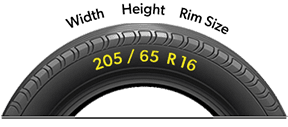
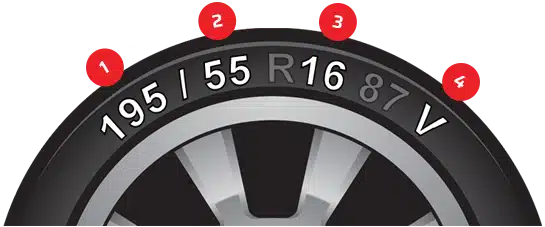
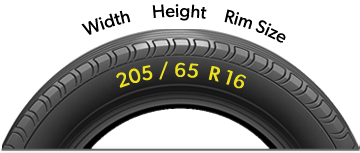
Tyre sizes are written as a code, like 265/70R17. Here’s what it means:
- 265: Tyre width in millimetres.
- 70: Aspect ratio (tyre height as a percentage of width).
- R: Radial construction (standard for modern tyres).
- 17: Rim diameter in inches.
For SUVs in the UAE, tyre sizes vary based on the vehicle’s make, model, and purpose (city driving or off-roading). Check your SUV’s manual or the tyre placard (usually on the driver’s door frame) for the manufacturer’s recommended size.
What are the Popular SUV Tyre Sizes?
Here’s a table of common SUV models in the UAE and their recommended tyre sizes, based on local driving conditions:
SUV Model |
Recommended Tyre Size |
Best Use |
|
Toyota Land Cruiser |
285/60R18 |
Off-road, desert driving |
|
Nissan Patrol |
275/65R18 |
Off-road, highway stability |
|
Jeep Wrangler |
255/70R17 |
Desert dunes, rocky terrains |
|
Ford Explorer |
255/60R18 |
City driving, light off-roading |
|
Range Rover Sport |
275/45R21 |
Luxury, highway performance |
Notes:
- Wider tyres (e.g., 275mm or more) offer better grip for off-roading but may reduce fuel efficiency.
- Lower profile tyres (e.g., 45 aspect ratio) suit city driving but may struggle on sand.
What are the Factors to Consider for Safe Tyre Sizes?
Consider these factors:
- Terrain:
- City driving: Smaller rims (16-18 inches) with higher aspect ratios (60-70) for comfort and durability.
- Desert/off-road: Larger rims (17-20 inches) with wider tyres for better traction on sand.
- Climate: UAE’s heat demands tyres with high heat resistance. Look for tyres rated for high temperatures (check the sidewall for a temperature rating like “A”).
- Load Capacity: SUVs carry heavy loads, especially for families or off-road gear. Ensure the tyre’s load index (e.g., 110) matches your SUV’s weight requirements.
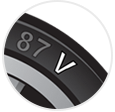
- Speed Rating: For highway driving, choose tyres with a speed rating (e.g., H, V) that matches your SUV’s top speed.
- Brand and Quality: Trusted brands like Michelin, Bridgestone, and Pirelli offer tyres designed for UAE conditions.
Tips for Choosing Safe SUV Tyres in the UAE
- Match Specifications: Use your SUV’s recommended tyre size for optimal performance.
- Focus on Heat Resistance: Choose tyres with high temperature ratings (A or B).
- Balance Terrain Needs: All-terrain tyres work for both city and desert driving.
- Maintain Regularly: Rotate tyres every 8,000-10,000 km and check pressure monthly.
- Buy from Trusted Sources: Purchase from PitStopArab for quality tyres, great deals, and professional installation across the UAE.
FAQs
Can I use a different tyre size than my SUV’s manual recommends?
It’s best to stick to the manufacturer’s recommended size for safety and performance. If you want to change sizes, consult a tyre professional to ensure compatibility.
Are wider tyres always better for SUVs in the UAE?
Not always. Wider tyres improve grip for off-roading but may reduce fuel efficiency and wear faster on highways.
How often should I replace SUV tyres in the UAE?
Check tyres every 6 months for wear, especially in UAE’s heat. Replace them every 3-5 years or when tread depth is below 1.6mm.
Which tyre brands are best for UAE conditions?
Michelin, Bridgestone, Pirelli, and Dunlop are popular for their durability in UAE’s heat and varied terrains.
Do I need different tyres for desert driving?
Yes, for frequent desert trips, choose all-terrain or mud-terrain tyres with wider profiles for better sand traction.