













Role of Tyres in Preventing Road Accidents in the UAE


Tyres are the only part of your car that touches the road. They help with gripping the surface, stopping quickly, and turning smoothly. Without proper tyres, your car can skid, especially in rain or on sandy roads common in the UAE.
Good tyres provide better traction, which means your car sticks to the road better during acceleration, braking, and corners. This reduces the chance of accidents from slipping or losing control. Worn-out tyres can lead to blowouts or poor handling, causing crashes. In the UAE's hot climate, tyres wear faster, so keeping them in top shape is key to safe driving.
Latest Road Accident Statistics in the UAE

Road accidents in the UAE have been rising with more people and cars on the roads. In 2024, there were 4,748 major accidents across the country, up 8% from 4,391 in 2023. Fatalities jumped to 384, a 9% increase from 352 the year before. Injuries also rose by 8% to 6,062 people.
In Dubai alone, road fatalities have dropped a lot over time, from 21.7 per 100,000 people in 2007 to just 1.8 in 2024. But in 2024, Dubai saw 2,285 accidents, with 34 deaths and 43 serious injuries during the summer months. Sudden swerving was the top cause, often linked to poor tyre grip.
Here's a quick table with the key stats:
Year |
Major Accidents |
Fatalities |
Injuries |
Notes |
|
2023 |
4,391 |
352 |
5,594 |
Baseline data |
|
2024 |
4,748 |
384 |
6,062 |
8-9% increase across metrics |
|
2025 (Partial) |
Not fully available |
Rising trend noted |
- |
Focus on summer risks in Dubai |
How Tyres Contribute to Preventing Accidents?
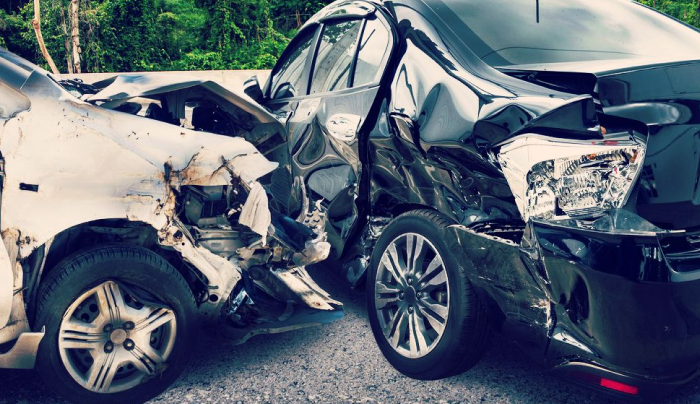
Tyres play a big part in stopping accidents by:
- Providing Grip: They help your car hold the road in wet, dry, or sandy conditions. This stops skidding during sudden stops or turns.
- Improving Braking: Good tread lets water escape, so brakes work better in rain. This shortens the stopping distance and avoids crashes.
- Handling Heat: In the UAE's hot weather, strong tyres resist blowouts from high temperatures.
- Absorbing Shocks: They cushion bumps, keeping your car stable on uneven roads.
What are the UAE Tyre Regulations?
The UAE has strict regulations to ensure road safety. The Roads and Transport Authority (RTA) and other bodies enforce them. Key ones include:
- Tyres must have a minimum tread depth of 1.6 mm for light vehicles and motorcycles.
- No tyres older than 5 years on roads, check the date code on the sidewall.
- Ban on selling tyres over 2 years old from the manufacture date.
- All tyres need a Certificate of Conformity for the UAE's Gulf climate.
- Mandatory checks during vehicle registration renewal.
Essential Tyre Maintenance Tips for UAE Drivers
UAE's hot sun and dust make tyres wear out fast. Here are simple tips:
- Check Pressure Often: Do it in the morning when tyres are cool. Use your car's manual for the right PSI. Hot weather can change pressure, so check weekly.
- Inspect Tread Depth: Use a coin or gauge. Replace if below 3 mm for safety, even if the legal min is 1.6 mm.
- Rotate Tyres: Every 8,000-10,000 km to even out wear.
- Balance and Align: Get this done yearly to avoid uneven wear and vibrations.
- Park in Shade: Avoid direct sun to prevent cracking. Choose heat-resistant tyres for the UAE.
- Look for Damage: Check for cuts, bulges, or nails monthly.
FAQs
What is the minimum tyre tread depth in the UAE?
It's 1.6 mm for safety and legality.
How often should I check my tyre pressure in UAE's heat?
At least once a week, especially in summer.
Can I use tyres older than 5 years in the UAE?
No, it's against RTA rules for safety reasons.
How do tyres help prevent accidents in the rain?
Good treads push water away, improving grip and braking.
Where can I get my tyres checked in the UAE?
At any RTA-approved garage or during vehicle registration.