











Everything About the New Radar System Installed on Sheikh Zayed Road


Sheikh Zayed Road, Dubai’s busiest and major highway, is now equipped with advanced radar systems to ensure safer driving. These new radars monitor speed, lane discipline, and other traffic violations, helping reduce accidents on this 558.4 km stretch connecting Dubai to other emirates.
If you’re driving in the UAE, here’s everything you need to know about the new radar system, including traffic fines, locations, and tips to stay compliant.
Why the New Radar System Matters?

Sheikh Zayed Road (E11) is the UAE’s main roadway, handling heavy traffic, especially during rush hours (7:00 AM–9:00 AM and 5:00 PM–7:00 PM). With a speed limit of 100–120 km/h, speeding is a common issue. The Dubai Police and Roads and Transport Authority (RTA) introduced advanced radars in 2024 to:
- Enforce speed limits.
- Monitor lane changes and tailgating.
- Reduce the 3,146 traffic accidents reported in Dubai in 2023.
- Promote safer driving habits among the UAE’s diverse drivers, including expats.
How the New Radars Work
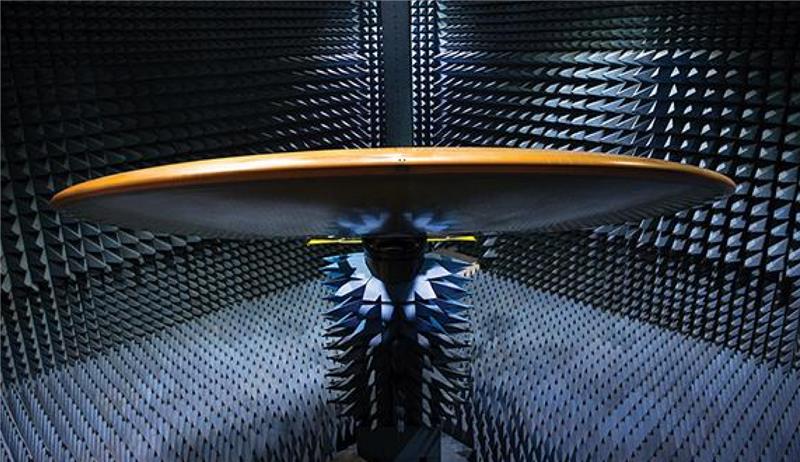
The new radars are smart and efficient:
- Speed Detection: They catch vehicles exceeding 100–120 km/h limits.
- Multi-Violation Monitoring: Detect tailgating, illegal lane changes, and phone use.
- Night Vision: Operate 24/7, even in low-light conditions.
- Integration: Linked to Dubai Police systems for instant fine issuance.
Unlike older radars, these systems use AI to reduce false positives, ensuring only real violations are flagged.
Radar Locations on Sheikh Zayed Road
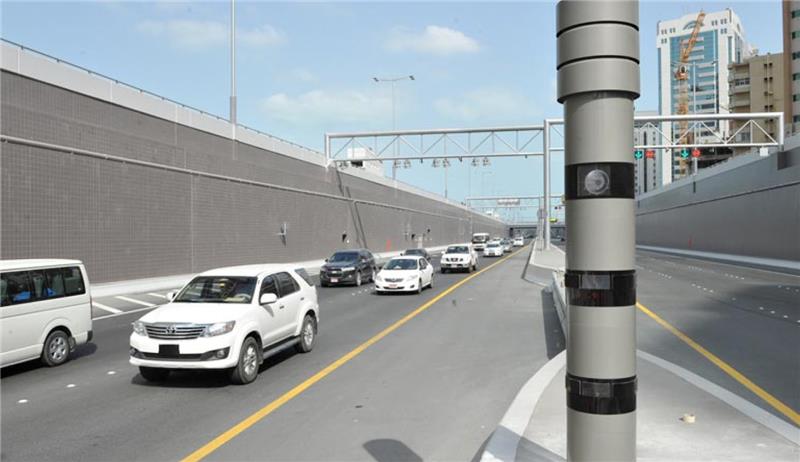
While exact locations aren’t publicly disclosed for security reasons, Dubai Police confirmed radars are installed at key points along Sheikh Zayed Road, especially near:
- Business Bay
- Dubai Marina
- Jumeirah
- Trade Centre
Fines and Penalties
Violating traffic rules on Sheikh Zayed Road can lead to hefty fines. Below is a table summarising common fines based on UAE traffic laws (updated 2024):
Violation |
Fine (AED) |
Black Points |
Vehicle Confiscation |
|
Exceeding speed limit by 60 km/h |
3,000 |
23 |
60 days |
|
Exceeding speed limit by 20–40 km/h |
700–1,000 |
6–12 |
None |
|
Tailgating |
400 |
4 |
None |
|
Using mobile phone |
800 |
4 |
None |
|
Illegal lane change |
600 |
6 |
None |
Fines are issued instantly via SMS or the Dubai Police app(Android | IOS). Unpaid fines can lead to vehicle impoundment or travel bans.
Tips to Avoid Fines
Driving on Sheikh Zayed Road requires caution. Here are practical tips:
- Check Your Speed: Use GPS apps like Waze to monitor speed limits.
- Maintain Distance: Keep a safe gap from the car ahead to avoid tailgating fines.
- Stay in Your Lane: Avoid sudden lane changes, especially in heavy traffic.
- Use Hands-Free Devices: Avoid holding your phone while driving.
- Update Your GPS: New radars may not be on older maps, so update navigation apps regularly.
Impact on UAE Drivers
The new radars benefit UAE drivers by:
- Improving Safety: Reducing speeding lowers accident risks.
- Encouraging Discipline: Fines deter reckless driving.
- Supporting Expats: Multilingual signage and apps (English, Arabic) help non-Arabic speakers comply.
However, some drivers find the fines steep, especially for minor violations. Expats, who form 88% of Dubai’s population, should check the Dubai Police website for updates in English, Arabic, or Hindi.
FAQs
Q: How do I know if I got a fine?
Check the Dubai Police app or website. You’ll also receive an SMS with fine details.
Can I appeal a fine?
Yes, visit a Dubai Police station or use their online portal within 30 days.
Q: Do radars work at night?
Yes, they have night vision and operate 24/7.
Q: Are there warning signs for radars?
Some areas have signs, but not all. Always follow speed limits.