















Smart Tyres: The Future of Driving in the UAE


Smart tyres combine sensors, connectivity and data analysis to monitor tyre pressure, temperature, wear and other driving conditions in real time. For UAE drivers, this technology could be especially useful because extreme heat, long highway journeys and demanding road conditions can put extra stress on tyres. As connected, electric and autonomous vehicles become more common, smart tyre technology is likely to play a bigger role in vehicle safety and predictive maintenance.
Shop premium tyres online at PitStopArabia, with convenient mobile tyre fitting across all 7 emirates.
What Are Smart Tyres?
Smart tyres go beyond the traditional job of providing grip and carrying the vehicle. They use embedded sensors and connected technology to collect information about tyre condition and driving conditions.
Depending on the system, smart tyres can monitor factors such as:
- Tyre pressure
- Tyre temperature
- Tread wear
- Load and movement
- Road and surface conditions
- Changes in tyre behaviour
The collected data can then be shared with the vehicle, smartphone or fleet-management system. This gives drivers and technicians more information about tyre health without relying only on a visual inspection.
Think of it as a health monitor for your tyres. Instead of waiting until a tyre looks worn or loses pressure, connected technology can provide an earlier warning.
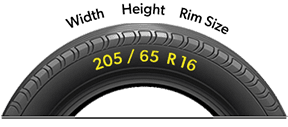
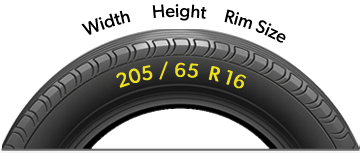
Find the right tyre size for your vehicle at PitStopArabia.
How Do Smart Tyres Work?
Smart tyre systems generally combine sensors, wireless connectivity and software to turn tyre data into useful information.
1. Sensors Collect Tyre Data
Sensors can monitor pressure, temperature, movement and other tyre-related measurements. Depending on the technology, some systems can also provide information that helps estimate tread condition or tyre wear.
2. Data Is Sent to the Vehicle or Connected System
The collected information can be transmitted to the vehicle's onboard systems, a smartphone or a fleet-management platform.
Instead of checking every tyre manually, drivers or fleet operators can receive information about tyre condition digitally.
3. Software Analyses the Information
The system looks for unusual changes in the data. For example, a gradual pressure loss could indicate a slow puncture, while unusual wear patterns could point towards alignment or suspension issues.
4. Drivers Receive Alerts
When the system detects a potential problem, it can provide an alert so the driver can take action before the issue becomes more serious.
That could mean checking tyre pressure, reducing speed, inspecting the tyre, or arranging a professional inspection.
Why Smart Tyres Could Be Useful in the UAE
Extreme Heat
UAE summers can put significant stress on tyres. High ambient temperatures combined with hot road surfaces can affect tyre pressure and accelerate rubber degradation.
Smart tyre monitoring can help drivers keep an eye on pressure and temperature instead of relying entirely on periodic manual checks.
This can be particularly useful during long journeys between Dubai, Abu Dhabi, Al Ain and other parts of the UAE, where a tyre problem can quickly become inconvenient or dangerous.
Better Tyre Maintenance
A tyre doesn't always fail suddenly. Slow pressure loss, uneven wear and repeated exposure to excessive heat can develop over time.
Connected tyre data can help identify these changes earlier, allowing drivers to address problems such as:
- Incorrect tyre pressure
- Uneven tread wear
- Slow punctures
- Excessive temperature
- Alignment-related wear
Potentially Longer Tyre Life
Maintaining the correct pressure and identifying abnormal wear early can help tyres wear more evenly.
Smart technology itself doesn't make a tyre last forever, but better monitoring can help drivers maintain tyres correctly and replace them when necessary.
Improved Safety
Tyres are the vehicle's only direct contact with the road. A sudden pressure loss, damaged sidewall or worn tread can affect braking, handling and stability.
Real-time monitoring can provide an additional layer of information, helping drivers respond to potential tyre problems sooner.
Book a tyre health check with PitStopArabia and get professional roadside assistance wherever you are in the UAE.
Smart Tyres and Autonomous Vehicles
Smart tyre technology becomes even more interesting when we look at autonomous and highly connected vehicles.
A self-driving vehicle needs information about what is happening between the vehicle and the road. Cameras, radar, LiDAR and GPS provide important information, but tyre-related data can add another layer of insight.
Smart tyres could potentially provide information about:
- Available grip
- Tyre pressure
- Temperature
- Load distribution
- Road surface conditions
- Changes in tyre behaviour
This information could help connected vehicles make better decisions about acceleration, braking and handling.
For the UAE, this is particularly relevant as the country continues to invest in smart mobility, connected transport and autonomous driving technologies.
Explore tyres suitable for modern EVs and connected vehicles at PitStopArabia.
Which Tyre Brands Are Developing Smart Technology?
Smart tyre technology is not limited to one manufacturer. Several major tyre companies are working on connected tyre and digital tyre-management solutions.
Bridgestone
Bridgestone has developed connected tyre and fleet-management solutions designed to help businesses monitor tyre condition, pressure and maintenance requirements.
Goodyear
Goodyear has introduced digital tyre-management technologies that help fleets inspect and monitor tyre condition more efficiently.
Continental
Continental is also developing connected tyre technologies designed to provide more information about tyre condition, efficiency and safety.
Michelin, Pirelli and Hankook
Other major manufacturers, including Michelin, Pirelli and Hankook, are investing in connected tyre technologies and digital monitoring systems.
The direction is clear: tyres are increasingly becoming data-producing components rather than passive pieces of rubber.
Are Smart Tyres Already Available in the UAE?
Smart tyre technology is already being developed and used in different forms, particularly in fleet management and connected vehicle applications. However, not every passenger car tyre sold in the UAE is a fully connected "smart tyre."
For everyday drivers, the technology is more likely to appear through TPMS, connected sensors, fleet platforms and advanced tyre-management systems before fully sensor-integrated smart tyres become commonplace across the passenger-car market.
This distinction matters because smart tyre technology is developing quickly, but adoption varies by vehicle, tyre manufacturer and application.
What Does the Future Hold for Smart Tyres?
The future of smart tyres is likely to move beyond simple pressure monitoring.
Some of the developments being explored across the industry include:
- Predictive maintenance: Systems could use tyre data to identify potential failures before they happen.
- Real-time tyre monitoring: Drivers could receive continuous information about pressure and temperature.
- Self-inflating technology: Future systems may help maintain tyre pressure automatically.
- EV-specific smart tyres: Connected tyres could help EVs optimise efficiency, range and tyre wear.
- Autonomous driving integration: Tyre data could become another input for advanced driver-assistance and autonomous systems.
- Connected infrastructure: In the longer term, vehicles and road infrastructure could exchange more information to improve traffic and road safety.
FAQ
1. What are smart tyres?
Smart tyres are tyres equipped with sensors and IoT technology that monitor pressure, temperature, tread wear, and road conditions in real-time, providing drivers with instant alerts and data to improve safety and performance.
2. Are smart tyres available in the UAE?
Yes. Smart tyre technology is increasingly available in the UAE, particularly for commercial fleets and high-end vehicles. Major brands like Michelin, Bridgestone, Continental, and Goodyear are leading the way.
3. How do smart tyres improve safety?
Smart tyres detect slow punctures, overheating, low pressure, and uneven wear before they become dangerous. They alert drivers to potential issues, reducing the risk of blowouts and accidents.
4. Do smart tyres work with autonomous vehicles?
Yes. Smart tyres are essential for autonomous vehicles, providing critical real-time data on road conditions, grip, and vehicle stability to the car's AI system.
5. How much do smart tyres cost?
Smart tyres are more expensive than standard tyres due to the embedded sensors and technology. However, they offer long-term savings through improved fuel efficiency, longer tread life, and reduced maintenance costs.