












Tire Sizing: What You Need to Know Before Replacing Tires?


Choosing the right tire size impacts your vehicle's safety, fuel efficiency, and performance. In the UAE, where temperatures can exceed 40°C and roads range from smooth highways to sandy terrains, the wrong tire size can lead to poor handling, faster wear, or even legal issues. Properly sized tires ensure:
- Safety: Correct tires maintain grip and stability, especially on hot or sandy roads.
- Performance: Matching tires to your vehicle improves acceleration and braking.
- Compliance: UAE traffic laws require tires to meet manufacturer specifications.
Understanding Car Tyre Sizing
Core Tire Size Components
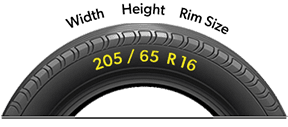
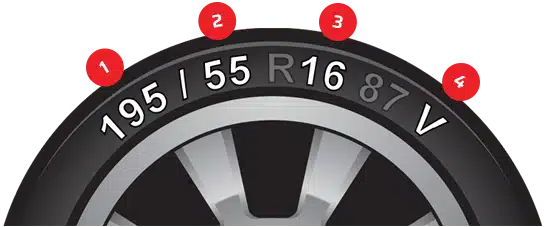
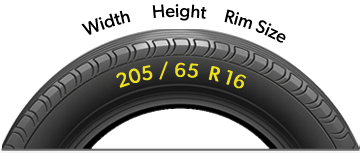
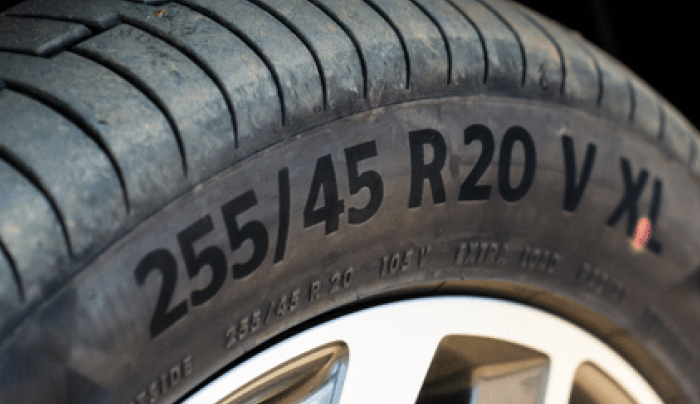
The tire size format appears on every car tyre sidewall as a standardized code like “P225/55R17 91V.” Each component provides essential information:
- Width (225): Tire width in millimeters from sidewall to sidewall
- Aspect ratio (55): Sidewall height as a percentage of tire width
- Construction type (R): Radial construction for modern tires
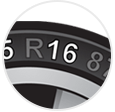
- Rim size (17): Wheel diameter in inches
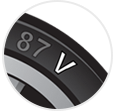
- Load index (91): The Maximum weight capacity the tire can safely carry
- Speed rating (V): Maximum safe operating speed under specified conditions
Additional markings include manufacturing date (DOT code), temperature resistance ratings, and tire brand specifications. UAE tire dealers commonly refer to these as “tyre size,” “load capacity,” and “speed rating” when discussing replacement options.
UAE-Specific Sizing Requirements
Tire sizing directly relates to Emirates Standardisation and Metrology Authority (ESMA) regulations governing vehicle safety. All car tyres must maintain original equipment specifications unless officially modified through RTA registration processes. The tire size affects heat resistance capabilities, crucial for the UAE’s high temperatures exceeding 45°C during the summer months.
Proper sizing ensures optimal traction on varied road surfaces from smooth highways to sandy desert conditions, while maintaining compliance with UAE legal requirements, including minimum legal tread depth standards and maximum tire age restrictions. Checking tire tread depth regularly with a tread depth gauge helps avoid crossing the legal limit and ensures the tyre tread is sufficient to maintain grip.
Why Tire Sizing Matters?
Statistics show tire-related issues contribute to approximately 5% of UAE road fatalities, with many incidents linked to improper tire specifications or maintenance.
An incorrect tire size affects several critical performance factors:
- Heat dissipation: Wrong sizing reduces the tire’s ability to manage the UAE’s extreme temperatures
- Load capacity: Undersized tires may fail under vehicle weight, particularly dangerous for SUVs and trucks
- Speed rating: Inadequate speed ratings pose risks on UAE highways where speeds reach 120+ km/h
- Fuel efficiency: Improper sizing increases rolling resistance, reducing fuel economy
Additionally, improper tire sizing can accelerate tread wear and uneven wear patterns, leading to visible cracks and sidewall cracks that compromise tire integrity. Maintaining correct air pressure and regular wheel alignment can help extend tire lifespan and prevent premature tyre wear.
UAE regulations impose strict penalties for tire violations:
AED 400 fines and 4 black points for inadequate tread depth, and AED 1,500 with 8 black points for using tires older than five years from manufacturing date.
Tire Size Specifications
Vehicle Type |
Common Tire Size |
Load Index |
Speed Rating |
UAE Price Range (AED) |
Best For |
|
Sedan |
P205/55R16 91V |
91 (615kg) |
V (240km/h) |
300-600 |
City driving, fuel efficiency |
|
SUV |
P265/65R17 110T |
110 (1060kg) |
T (190km/h) |
500-900 |
Mixed conditions, load capacity |
|
Luxury SUV |
P285/45R20 112V |
112 (1120kg) |
V (240km/h) |
800-1500 |
High performance, comfort |
|
Light Truck |
LT235/75R15 104S |
104 (900kg) |
S (180km/h) |
400-700 |
Off road, durability |
How to Determine Your Correct Tire Size?
Step 1: Locate Your Current Tire Information on the Car Tyre
Before visiting UAE tire shops, gather essential information from three sources:
- Tire sidewall: Check existing car tyres for size markings, manufacturing date, tire tread condition, and visible cracks
- Owner’s manual: Verify manufacturer-recommended tire specifications, load capacity, and recommended tyre pressure
- Driver’s door jamb: Find vehicle placard showing original equipment tire size and tire pressure requirements
Step 2: Decode the Tire Size Code to Choose the Right Tyres for Your Driving Style
Interpret each tire size component systematically:
- P or LT prefix: P indicates passenger vehicle, LT designates light truck applications
- Three-digit width: Measured in millimeters (205, 225, 245, etc.)
- Two-digit aspect ratio: Lower numbers (45, 50) provide better handling; higher numbers (65, 70) offer more comfort
- Construction letter: R for radial (standard), rarely D for diagonal
- Rim diameter: Must match your wheel size exactly
- Load index and speed rating: Consult conversion charts or UAE dealer resources
Step 3: Verify UAE Compliance and Performance Requirements for Quality Tyres
Confirm your tire choice meets UAE regulations and climate demands:
- ESMA certification: Ensure tires carry the required Certificate of Conformity
- Manufacturing date: Select new tires less than two years old to maximize legal lifespan and avoid flat tyre risks
- Heat resistance: Choose summer tires, all-season tires designed for high temperatures and specific seasonal needs
- Tread depth: New tyres should have 8-10mm tread depth for optimal safety margin, providing deeper tread depth for better grip and more durability
Common Tire Sizing Mistakes to Avoid
Selecting an insufficient load index for heavy UAE vehicles
Many UAE drivers choose SUVs and trucks requiring higher load capacity ratings. Using lower load index tires risks catastrophic failure, especially when carrying passengers or cargo in extreme heat.
Choosing inappropriate speed ratings for UAE highway conditions
UAE highways permit speeds up to 140 km/h in some areas. Selecting tires with inadequate speed ratings (below H-rating) creates safety hazards and legal compliance issues.
Ignoring aspect ratio changes affecting vehicle dynamics and off-road performance
Changing aspect ratios significantly alters ride comfort, handling characteristics, and speedometer accuracy. Lower ratios improve performance but reduce comfort on UAE’s occasionally bumpy roads.
FAQs
Q1: Can I use different tire sizes on my car in the UAE?
UAE regulations require all four tires to match original equipment specifications unless modifications are officially registered with RTA. Mixing tire sizes creates handling imbalances and legal compliance issues.
Q2: What happens if I use wrong tire size in the UAE?
Incorrect sizing can result in RTA fines up to AED 1,500, insurance claim denials, and serious safety hazards during extreme weather conditions common in the UAE. It can also lead to uneven wear, sidewall cracks, and reduced tire lifespan.
Q3: How do I know if my tire size is legal in the UAE?
Check your vehicle registration documents for approved tire specifications, or consult authorized UAE tire dealers who maintain current ESMA compliance databases.
Q4: Can tire size affect my car insurance in the UAE?
Yes, non-standard tire sizes may void insurance coverage unless properly declared and approved. Always inform your insurer of any tire specification changes.
Q5: How often should I check my tire size markings?
Verify tire size whenever replacing tires, changing vehicles, or if you notice unusual tire wear patterns that might indicate sizing issues affecting vehicle performance. Regularly inspect tire tread depth with a tread depth gauge and monitor tyre pressure and air pressure to avoid flat tyre risks.