















UAE RTA’s Vision for Self-Driving Transport: Goals & Benefits by 2030


By 2030, the RTA aims to make 25% of all vehicles in Dubai autonomous, revolutionizing how people move around the city. This blog examines the RTA’s vision for autonomous transportation, its objectives, benefits, and implications for the UAE market.
What is the RTA’s Vision for Self-Driving Transport?
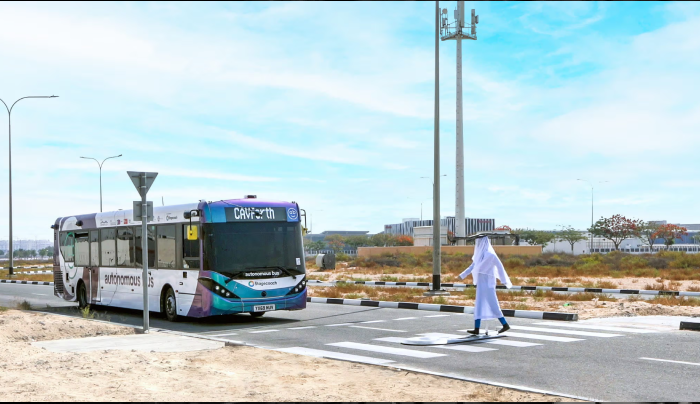
Dubai’s RTA is pushing for a future where autonomous vehicles, such as robotaxis, become a core part of the city’s transportation network. The goal is to make travel safer, smarter, and more sustainable.
The RTA has partnered with global tech companies, such as Pony.ai, to roll out self-driving technology. Supervised trials for robotaxis are set to begin in 2025, with fully driverless operations planned for 2026.
This vision aligns with Dubai’s Autonomous Transportation Strategy, which aims to:
- Reduce traffic accidents caused by human error.
- Cut transportation costs by up to 44%.
- Lower carbon emissions for a greener city.
- Improve efficiency with seamless, tech-driven transport solutions.
Why Self-Driving Transport Matters in the UAE?
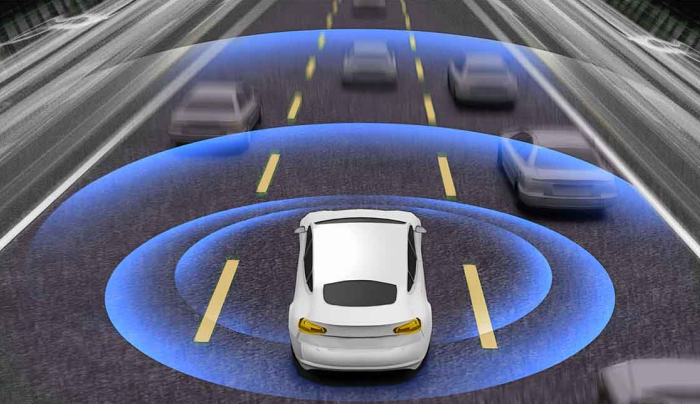
The UAE, especially Dubai, is a hub for innovation and tourism. With millions of residents and visitors, the demand for efficient transportation is high. Self-driving vehicles can address key challenges in the UAE market:
- Safety: Autonomous vehicles use advanced sensors and AI to avoid accidents, reducing the risk of human error.
- Traffic Reduction: Smart routing can ease congestion on busy roads like Sheikh Zayed Road.
- Sustainability: Electric-powered robotaxis support the UAE’s goal of achieving net-zero emissions by 2050.
- Tourist Appeal: Visitors will enjoy a futuristic, hassle-free travel experience, boosting Dubai’s global image.
Key Milestones in RTA’s Self-Driving Transport Plan
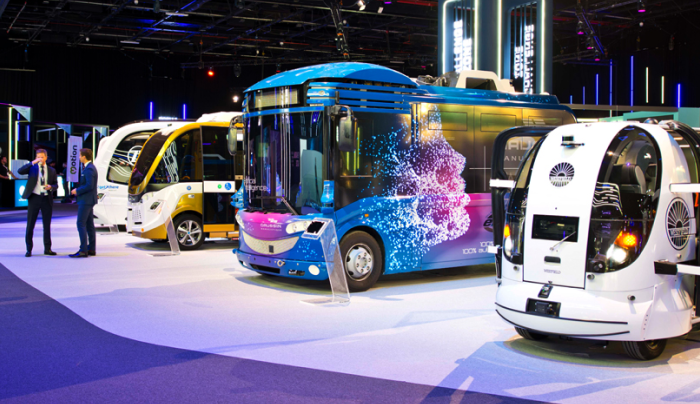
The RTA has outlined a clear timeline to achieve its autonomous transport goals. Below is a table summarizing the key milestones:
Year |
Milestone |
Details |
|
2025 |
Supervised Trials |
Robotaxi trials begin under human supervision to ensure safety and reliability. |
|
2026 |
Driverless Operations |
Fully autonomous robotaxis integrated into Dubai’s transport network. |
|
2030 |
25% Autonomous Trips |
A quarter of all trips in Dubai will use self-driving vehicles, including buses and taxis. |
How Self-Driving Transport Will Benefit the UAE?
The RTA’s vision brings exciting benefits for residents, businesses, and visitors:
1. Safer Roads
Self-driving vehicles use AI, cameras, and sensors to detect obstacles and follow traffic rules. This reduces accidents caused by distracted driving or human mistakes.
2. Cost Savings
The RTA predicts that autonomous transport could cut commuting costs by 44%. Businesses can save on logistics, while residents enjoy affordable rides.
3. Eco-Friendly Travel
Most self-driving vehicles, like robotaxis, are electric. This supports the UAE’s Green Mobility Strategy, reducing pollution and fuel consumption.
4. Time Efficiency
Autonomous vehicles optimize routes using real-time data, saving time for commuters in busy areas like Dubai Marina or Downtown Dubai.
Challenges to Overcome
While the RTA’s vision is promising, there are challenges to address:
- Infrastructure: Roads and traffic systems need upgrades to support autonomous vehicles.
- Public Trust: Convincing residents to trust driverless cars may take time.
- Regulations: New laws are needed to govern self-driving technology safely.
- Cost: Initial investments in tech and infrastructure are high.
Role of Partnerships in RTA’s Vision
The RTA has partnered with Pony.ai, a leading autonomous vehicle company, to launch a robotaxi fleet. This partnership includes:
- Supervised Trials in 2025: Testing robotaxis in real-world conditions.
- Full Operations by 2026: Offering driverless taxi services across Dubai.
- Integration with Public Transport: Linking robotaxis with metro, buses, and trams for a seamless experience.
What does this mean for UAE Residents and Businesses?
For residents, self-driving transport means safer, cheaper, and faster commutes. Imagine hailing a robotaxi via an app and arriving at your destination without worrying about traffic or parking.
For businesses, autonomous vehicles open new opportunities:
- Logistics: Self-driving delivery vans can reduce costs for e-commerce companies.
- Tourism: Hotels and attractions can offer autonomous shuttles for guests.
- Real Estate: Properties near autonomous transport hubs may see higher demand.