













Wheel Components You Need to Inspect in the UAE


Your car's wheels are crucial for safety and smooth rides. Regular inspections can prevent accidents, save money on repairs, and help you pass annual vehicle tests. In 2025, UAE rules stress tire safety due to extreme heat, which can cause faster wear and blowouts.
Key Wheel Components to Inspect
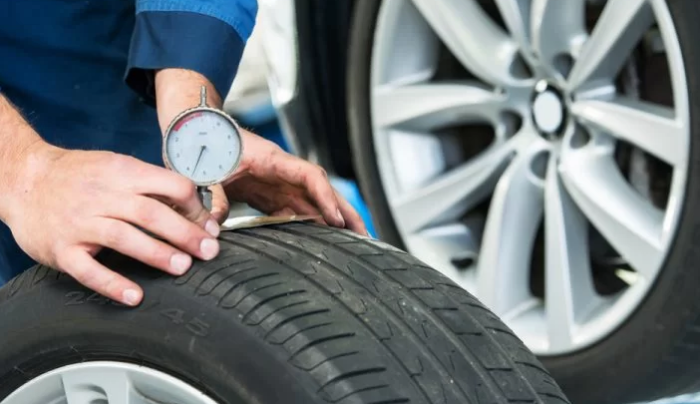
Here are the main parts. Check them monthly or before long trips:
1. Tires
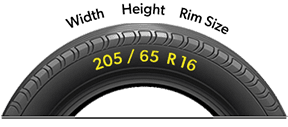
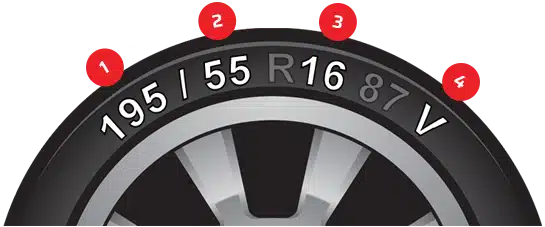
Tires touch the road, so they're vital. In UAE, heat builds pressure and wears rubber faster.
What to check:
- Tread Depth: Must be at least 1.6 mm in UAE. Use a gauge or penny test: If you see the top of the head, replace tires.
- Pressure: Check when cold, every two weeks. Follow your car's manual (usually 30-35 PSI). Low pressure causes blowouts in heat.
- Sidewalls: Look for cracks, bulges, or cuts from sand or potholes.
- Age: Replace after 5 years, even if the tread is good, due to heat damage.
- Uneven Wear: Shows alignment issues.
2. Rims (Wheels)
Rims hold the tire and connect to the axle. Damage is common from curbs or rough UAE roads.
What to check:
- Cracks or Bends: Inspect for dents that cause vibrations or air leaks.
- Corrosion: Sand and salt can rust rims; clean regularly.
- Balance: Unbalanced rims cause shaking at high speeds.
3. Lug Nuts/Bolts
These secure the wheel to the hub. Loose ones can make wheels wobble or come off.
What to check:
- Tightness: Use a torque wrench to check after tire changes. Torque specs are in your manual (usually 80-100 ft-lbs).
- Condition: Look for rust or stripped threads.
4. Wheel Bearings
Bearings let wheels spin smoothly. Bad ones make noise or cause play.
What to check:
- Play: Jack up the car and wiggle the wheel top-to-bottom. No movement means good.
- Noise: Listen for grinding or humming while driving.
Why Inspect Wheel Components in the UAE?
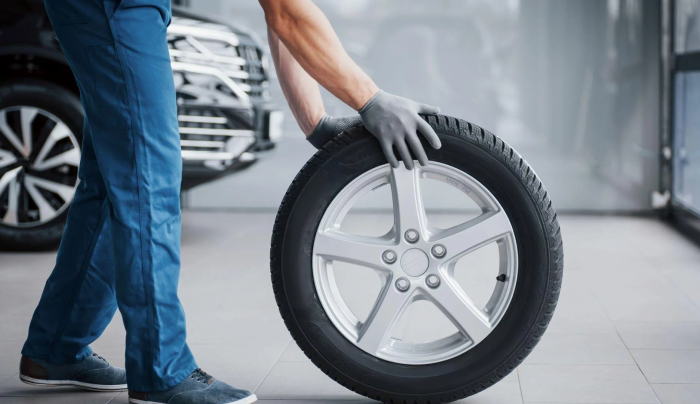
The UAE's hot weather speeds up tire aging, leading to cracks, low pressure, and uneven wear. Regular checks ensure your car meets RTA or ESMA standards during registration renewal. Faulty wheels can cause loss of control, especially on desert roads or in sandstorms. Plus, proper maintenance improves fuel efficiency and extends tire life.
According to recent guidelines, vehicles must pass safety inspections, including wheels and tires, to stay legal. PitStopArabia offers a wide range of tyre brands to suit various budgets and driving needs in the UAE.
Wheel Inspection Guide
Component |
What to Check |
Frequency |
UAE-Specific Tip |
|
Tires |
Tread (1.6 mm min), pressure, sidewalls, age |
Every 2 weeks |
Heat accelerates wear; max 5-year life |
|
Rims |
Cracks, bends, corrosion |
Monthly |
Avoid extreme offsets per mod laws |
|
Lug Nuts |
Tightness, condition |
After tire work |
Re-torque in hot weather |
|
Wheel Bearings |
Play, noise |
Every 10,000 km |
Dust from deserts speeds failure |
FAQs
What is the minimum tire tread depth in UAE?
It's 1.6 mm for light vehicles. Below this, you fail inspection and risk fines.
How often should I check tire pressure in UAE?
Every two weeks, when tires are cold. Hot weather increases pressure, leading to blowouts.
Are retreaded tires allowed in UAE?
No, banned for most vehicles except buses and trucks from approved makers.
What happens if I fail wheel inspection during UAE registration?
You'll need to fix issues and re-test. Driving unsafe wheels can lead to accidents or penalties.
How does UAE heat affect wheels?
It causes faster rubber hardening, cracking, and pressure changes, raising blowout risks.