













How to Register an Electric Vehicle in the UAE: Step-by-Step Guide


Registering your EV is mandatory to drive legally on UAE roads. It ensures your vehicle meets safety and environmental standards, and you get a vehicle ownership card (Mulkiya), plate numbers, and an expiry date sticker.
The UAE’s National Electric Vehicles Policy, launched in 2023, supports EV adoption by streamlining registration and expanding charging infrastructure.
Why Register an Electric Vehicle: Key Concepts and Requirements
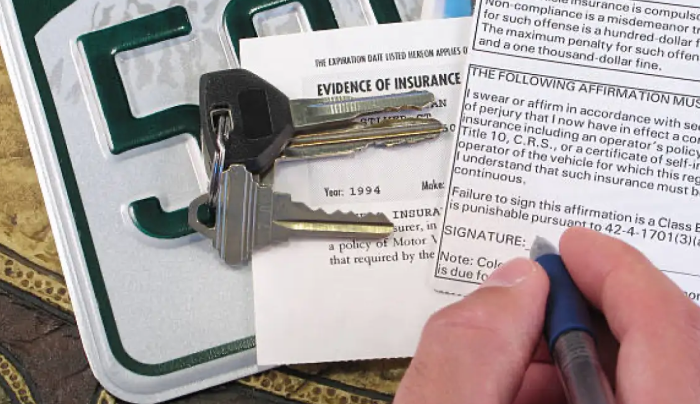
Core Registration Definitions
Vehicle registration in the UAE is the legal process administered by the transport authority RTA that authorizes vehicle owners to operate their electric car or hybrid vehicle on public roads. The process generates a Mulkiya that serves as official proof of ownership and roadworthiness.
Key terminology for EV owners and EV users includes:
- Mulkiya: Official vehicle registration certificate
- Emirates ID: Required identification for all UAE residents
- Vehicle inspection: Mandatory safety and technical assessment
- Car insurance: Compulsory coverage before registration approval
- EV Green Charger card: DEWA-issued card for accessing public chargers, fast chargers, and other EV chargers across Dubai’s EV infrastructure
EV Registration vs Traditional Vehicle Registration
Electric vehicle registration shares the same core RTA requirements as petrol vehicles but includes additional steps specific to electric cars and plug-in hybrid vehicles. Both vehicle types require identical documents, undergo similar vehicle inspection processes, and pay comparable registration fees.
The key difference lies in post-registration requirements. Electric vehicle owners must establish a DEWA EV account to access the charging infrastructure, while petrol vehicles simply need to locate petrol stations. EV owners also benefit from government support, including discounted registration fees, free parking in designated areas, free charging, and participation in the EV Green Charger initiative.
Why Proper EV Registration is Important?
Registration unlocks significant government incentives designed to encourage the adoption of green vehicles. These include free parking in premium locations across Dubai and Abu Dhabi, free Salik tags worth AED 100 annually, free registration discounts of up to 30% compared to petrol vehicles, and access to fast chargers and public chargers across the city.
The registration process directly supports the UAE’s ambitious goal of achieving zero tailpipe emissions by 2050. Dubai Supreme Council data shows that each vehicle registered as an electric vehicle reduces carbon emissions by approximately 4.6 tons annually compared to petrol vehicles, contributing to the tech-advanced city vision of sustainable transport.
Required Documents and Fees
Requirement |
Electric Vehicles |
Traditional Vehicles |
Notes |
|
RTA Registration Fee |
AED 280 (30% discount) |
AED 400 |
Government support for EVs |
|
Vehicle Inspection |
AED 170 |
AED 170 |
Same fee for all vehicle types |
|
Insurance Minimum |
AED 800-1,200 |
AED 600-1,000 |
Slightly higher for EV coverage |
|
DEWA EV Account |
AED 500 deposit + AED 20 delivery |
Not applicable |
Required for charging access |
|
Salik Tag |
Free for EVs |
AED 100 |
Additional government incentive |
|
Processing Time |
2-3 days (including DEWA) |
1-2 days |
Extra time for charging setup |
Required Documents Checklist:
- Emirates ID (original and copy, valid for a minimum 6 months)
- Valid UAE driving license
- Vehicle purchase invoice or ownership transfer document
- Comprehensive car insurance certificate
- Passport copy with UAE residence visa
- Vehicle import documents (if applicable)
How to Register Your Electric Vehicle?
Prepare Required Documents
Gather all required documents before visiting RTA offices to ensure smooth processing. Your Emirates ID must have at least six months' validity remaining, and your driving license should be current without outstanding violations. The vehicle purchase invoice must indicate the electric vehicle type or plug-in hybrid type and match the chassis number during inspection.
Secure comprehensive car insurance that specifically covers electric vehicles, including battery protection and charging-related incidents. Many insurers now offer specialized EV policies that cost 10-20% more than regular car insurance but provide enhanced coverage for electric vehicle components and charging cable protection.
Vehicle Inspection and RTA Registration
Book your appointment through the RTA smart app or visit designated vehicle testing centers during business hours. The physical inspection focuses on safety systems, battery capacity verification, and ensuring compliance with UAE technical standards for electric vehicles and hybrid vehicles.
Present all required documents to RTA staff and pay registration fees totaling approximately AED 470 (including inspection and discounted registration). The vehicle inspection typically takes 30-45 minutes, covering electrical systems, regenerative braking functionality to recapture energy, and overall vehicle condition.
Upon successful completion, receive your temporary registration document and Mulkiya within 24-48 hours.
DEWA EV Account Setup and Charging Card
Register for your DEWA EV account only after completing RTA registration, as the Mulkiya number is required for account setup. Visit DEWA customer service centers or use their online portal to establish your EV Green Charger account.
Pay the AED 500 deposit plus AED 20 delivery fee for your EV Green Charger card, which provides access to DC chargers, AC chargers, fast chargers, and other EV chargers across Dubai’s charging infrastructure. Link your Emirates ID, Mulkiya details, and driving license information to ensure seamless charging station access.
The courier company delivers your charging card within 5-7 business days to your registered address. Activate the card through the DEWA smart app and locate your nearest charging station using the integrated map feature that shows real-time availability and charging process status.
Common Mistakes to Avoid
Attempting DEWA registration before RTA registration completion
Many EV owners try to expedite the process by setting up their DEWA account before receiving their Mulkiya. This creates delays because DEWA requires the official vehicle registration number for account verification.
Incorrect or mismatched personal details across documents
Even minor spelling differences between the Emirates ID, driving license, and insurance documents can halt the registration process. Transport authority RTA systems automatically flag inconsistencies, requiring time-consuming corrections.
Forgetting to update the insurance policy for EV-specific coverage
Standard car insurance may not adequately cover electric vehicle components like battery replacement, charging cable theft, or charging station incidents. EV owners should specifically request electric vehicle coverage from their insurance provider.
Creating Awareness and Market Growth
Several initiatives, such as multi-brand electric platform pop-up stores, have been established to promote electric vehicles and hybrid vehicles in the UAE. These pop-up stores help in creating awareness among the public and the entire market about the benefits of EV ownership, including the use of recyclable materials in vehicle manufacturing and the ability to recapture energy through regenerative braking.
Public and private organisations collaborate to expand the EV infrastructure and increase the number of EV chargers available. This includes public chargers, fast chargers, and ultra-fast chargers located at petrol stations and commercial areas.
FAQs
Q1: How long does the complete EV registration process take?
The entire process typically takes 5-7 business days, including 1-2 days for RTA registration and 3-5 days for DEWA EV account setup and charging card delivery. You can drive immediately after RTA registration while awaiting your charging card.
Q2: Can I register an imported electric vehicle or plug-in hybrid in UAE?
Yes, but imported electric vehicles and plug-in hybrids must meet UAE technical standards and pass additional safety inspections. You’ll need import clearance documents, UAE-compliant charging cable, and verification that the vehicle type is approved for local use.
Q3: What happens if my EV registration expires?
Driving with expired registration incurs fines starting at AED 400. Renew your registration before expiry through RTA smart app or service centers. Late renewal requires additional fees and may necessitate repeat vehicle inspection.
Q4: Do I need special insurance for electric vehicles?
While basic third-party coverage meets legal requirements, comprehensive EV insurance is strongly recommended. Specialized policies cover battery replacement (often 30-40% of vehicle value), charging equipment, and incidents at charging stations.
Q5: How do I renew my EV registration annually?
Annual renewal requires valid Emirates ID, current insurance certificate, and settlement of traffic fines. EV owners continue receiving registration fee discounts, free Salik tag renewal, and free charging benefits as part of ongoing government support for sustainable mobility.