










What Wheel Size Is My Car? How to Find the Right Size


You can find your car’s wheel size by checking the tyre sidewall, driver’s door-jamb sticker, or markings stamped on the wheel. For example, in 225/45R17, the 17 means the tyre fits a 17-inch wheel. To find the complete wheel specification, including width, offset (ET), bolt pattern (PCD), and centre bore, check the wheel markings or your vehicle’s manual and VIN information.
Knowing your exact wheel size is important before buying new tyres or upgrading your wheels. The wrong diameter, width, offset, or bolt pattern can cause clearance problems, uneven tyre wear, vibration, or handling issues.
Not sure about your wheel size? Check your exact wheel size before buying new tyres or wheels with PitStopArabia
What Does Wheel Size Mean?
When someone asks, “What wheel size is my car?”, they may be asking about more than just the wheel diameter.
A complete wheel specification can include:
Measurement |
What It Means |
Example |
|
Diameter |
Wheel diameter in inches |
17 inches |
|
Width |
Wheel width in inches |
7.5 inches |
|
Offset (ET) |
How far the wheel sits inward or outward |
ET45 |
|
Bolt Pattern (PCD) |
Number of bolts and bolt-circle diameter |
5x112 |
|
Centre Bore (CB) |
Diameter of the centre hole |
66.6 mm |
For example, a marking such as 17x7.5J ET45 5x112 gives you several important details about the wheel's fitment.
5 Easy Ways to Find Your Car's Wheel Size
1. Check the Tyre Sidewall
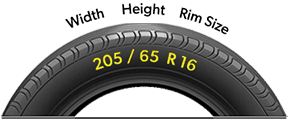
The tyre sidewall is usually the quickest way to identify your wheel diameter.
Look for a size such as:
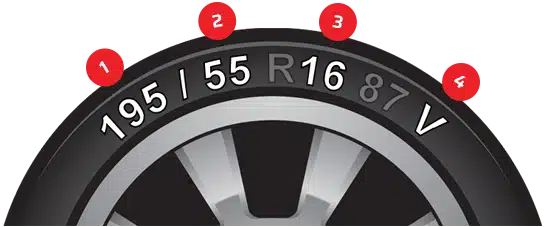
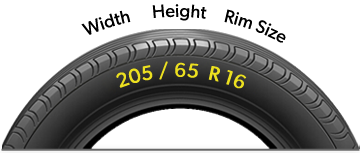
225/45R17
Here's what the numbers mean:
- 225 = tyre width in millimetres
- 45 = aspect ratio
- R = radial construction
- 17 = wheel diameter in inches
So, 225/45R17 fits a 17-inch wheel.
However, the tyre sidewall only tells you the wheel diameter. It does not necessarily tell you the wheel's width, offset, PCD, or centre bore.
2. Check the Driver's Door-Jamb Sticker
Open the driver's door and inspect the door frame or B-pillar.
Most vehicles have a tyre and loading information sticker showing the manufacturer's recommended tyre sizes and tyre pressures.
For example, the sticker may list:
- 225/45R17
- 245/40R18
This tells you which factory tyre and wheel diameters were specified for your vehicle.
Important: The sticker is excellent for finding your OEM tyre specification, but it may not tell you the exact width or offset of an aftermarket wheel.
3. Look for Markings on the Wheel
If you need the complete wheel specification, inspect the inside of the wheel.
The markings are commonly found:
- Behind the spokes
- Near the centre bore
- On the inner barrel
- Around the hub area
You might see something like:
17x7.5J ET45
This means:
- 17 = 17-inch diameter
- 7.5 = 7.5-inch width
- J = flange profile
- ET45 = +45 mm offset
You may also find a marking such as 5x112, which identifies the bolt pattern.
4. Check Your Owner's Manual
Your vehicle's owner's manual is another reliable source for factory wheel and tyre specifications.
Look under sections such as:
- Wheels and tyres
- Technical specifications
- Tyre information
- Wheel specifications
The manual may list different approved wheel and tyre combinations for different trims.
This is particularly useful if your car has multiple factory wheel options, such as 17-, 18-, or 19-inch wheels.
5. Use Your VIN
Your 17-character Vehicle Identification Number (VIN) can help identify your vehicle's original specifications.
Depending on the manufacturer or database, a VIN lookup may provide information about:
- Original tyre sizes
- Wheel diameter
- Wheel width
- Bolt pattern
- Factory fitment
If you're buying aftermarket wheels, use VIN information as a starting point and then verify the ET, PCD, centre bore, brake clearance, and tyre compatibility before purchasing.
Learn what ET means in rim size and find the right wheel offset for your car.
How to Measure Your Wheel Manually
If the wheel markings are damaged or impossible to read, you can measure the wheel yourself.
Measuring Wheel Diameter
- Remove the tyre if you need an accurate measurement.
- Measure from one inner bead seat to the opposite inner bead seat through the centre of the wheel.
- Do not measure the outside edge of the wheel because the outer lip is not included in the nominal wheel diameter.
For example, a measurement close to 17 inches indicates a 17-inch wheel.
Measuring Wheel Width
Measure between the inner bead seats, not the outside edges of the wheel lips.
A wheel measuring approximately 7.5 inches between its bead seats is generally identified as a 7.5-inch-wide wheel.
Checking the Bolt Pattern
The bolt pattern, or PCD, describes the number of mounting holes and the diameter of their bolt circle.
For example:
5x112
means:
- 5 = five bolt holes
- 112 = 112 mm bolt-circle diameter
The PCD must match your vehicle's hub correctly. Don't assume wheels with the same diameter and width will automatically fit.
Checking Wheel Offset
Wheel offset is usually marked as ET, such as ET35, ET45, or ET50.
In general:
- Higher positive ET → wheel sits further inward
- Lower positive ET → wheel sits further outward
- Negative ET → wheel sits significantly outward
Offset affects suspension clearance, fender clearance, steering behaviour, and overall wheel
Does Wheel Size Have to Match the Tyre Size?
Yes. The tyre's rim diameter must match the wheel diameter exactly.
For example:
- 17-inch tyre → 17-inch wheel
- 18-inch tyre → 18-inch wheel
- 20-inch tyre → 20-inch wheel
However, changing wheel diameter doesn't necessarily mean you must increase the vehicle's overall tyre diameter.
When moving to a larger wheel, drivers often use a lower-profile tyre to keep the overall rolling diameter close to the original specification.
For example, a vehicle might use a 17-inch wheel with a taller sidewall from the factory and an 18-inch wheel with a lower-profile tyre as an approved alternative.
Learn how to measure tubeless rim tape and find the right tyre size for your car
The goal is to maintain appropriate overall tyre diameter and ensure the new combination is approved for your specific vehicle.
FAQ
1. How do I know what size wheel my car has?
Check the tyre sidewall first. In a size such as 225/45R17, the number after R—17—indicates the wheel diameter.
2. How do I find my wheel width?
Look for markings such as 7J, 7.5J, or 8J on the inside of the wheel. The number indicates the wheel width in inches.
3. Does the tyre size tell me the wheel size?
It tells you the wheel diameter. For example, R18 means the tyre is designed for an 18-inch wheel, but the tyre code alone doesn't provide every wheel-fitment specification.
4. Where can I find my wheel's ET?
Look on the back of the spokes, inner barrel, or hub area for a marking such as ET45.
5. Can I put bigger wheels on my car?
Potentially, but only if the new wheel and tyre combination is approved and compatible with your vehicle. Diameter, width, offset, PCD, centre bore, tyre size, and clearance all need to be checked.