










How to Read Alloy Wheel Size and Rim Measurements: The Complete Guide


Alloy wheel markings such as 18x8J ET45 5x112 CB66.6 tell you the wheel’s diameter, width, flange profile, offset, bolt pattern, and centre bore. Understanding these numbers helps you determine whether a wheel will properly fit your car without causing tyre rubbing, clearance problems or handling issues.
If you're buying aftermarket alloy wheels, don't focus only on the wheel's diameter. Width, ET (offset), PCD (bolt pattern), centre bore and load rating all need to match your vehicle's requirements.
Not sure about your tyre size? Check your exact tyre size with PitStopArabia’s Tyre Size Calculator before buying new tyres
What Do Alloy Wheel Numbers Mean?
A typical alloy wheel might have markings such as:
18x8J ET45 5x112 CB66.6
Here's what each part means:
Marking |
Meaning |
Example |
|
18 |
Wheel diameter |
18 inches |
|
8 |
Wheel width |
8 inches |
|
J |
Flange profile |
J-type |
|
ET45 |
Wheel offset |
+45 mm |
|
5x112 |
Bolt pattern/PCD |
5 bolts, 112 mm circle |
|
CB66.6 |
Centre bore |
66.6 mm |
So, if someone asks “What does 18x8J mean on a wheel?”, the simple answer is: 18-inch diameter, 8-inch width, and a J-type flange profile.
1. How to Read Wheel Diameter and Width
The first section usually looks like:
9Jx19H2
Here:
- 9 = wheel width in inches
- J = flange profile
- 19 = wheel diameter in inches
- H2 = rim contour/hump designation
What Does 9Jx19 Mean?
A 9Jx19 wheel is:
- 9 inches wide
- 19 inches in diameter
- J-profile
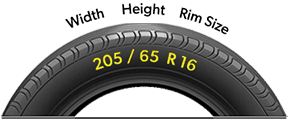
The wheel diameter must correspond with the tyre's rim diameter. For example, a 19-inch wheel requires a tyre designed for a 19-inch rim.
The wheel width also affects which tyre widths can be fitted safely. Always check the tyre manufacturer's approved rim-width range rather than relying on a generic chart.
2. What Does J Mean in Rim Size?
The J in a marking such as 8J refers to the wheel's flange profile, or the shape of the rim edge where the tyre bead sits.
It does not mean the wheel is eight inches in diameter.
For example:
18x8J
means:
- 18 = diameter
- 8 = width
- J = flange profile
J is commonly seen on passenger-car wheels, although other flange profiles exist.
3. What Is ET in Alloy Wheel Size?
ET means Einpresstiefe, a German term for offset.
The ET number tells you how far the wheel's mounting face sits from the wheel's centre line.
For example:
ET45 = +45 mm offset
The offset affects whether your wheel sits further inside or outside the wheel arch.
|
Offset |
General Effect |
|
Positive ET |
Wheel sits further inward |
|
ET0 |
Mounting face is at the centre line |
|
Negative ET |
Wheel sits further outward |
Why Does ET Matter?
Changing ET can affect:
- Wheel-arch clearance
- Suspension clearance
- Steering feel
- Scrub radius
- Wheel-bearing loads
- Overall appearance
For example, if you replace an ET45 wheel with an otherwise identical ET25 wheel, the wheel sits approximately 20 mm further outward.
Don't choose a lower ET simply because you want a wider stance. The vehicle's clearance and approved specifications still matter.
4. What Is PCD or Bolt Pattern?
PCD stands for Pitch Circle Diameter.
A marking such as:
5x112
means:
- 5 = five bolt holes
- 112 = 112 mm pitch-circle diameter
The wheel's PCD must match the vehicle's hub.
Common examples include:
- 4x100
- 5x100
- 5x112
- 5x114.3
- 5x120
- 6x139.7
A wheel with the wrong bolt pattern should not simply be forced onto the vehicle.
How Do You Measure PCD?
For a four-bolt wheel, you can measure between the centres of opposite bolt holes.
Five-bolt wheels require a different measurement method because there isn't a directly opposite hole. If you're unsure, use a PCD gauge or have the wheel measured professionally.
5. What Is Centre Bore (CB)?
The centre bore is the diameter of the large hole in the middle of the wheel.
For example:
CB66.6 = 66.6 mm centre bore
The centre bore helps position the wheel correctly on the vehicle hub.
If the wheel's centre bore is larger than the vehicle hub, hub-centric rings may be used where appropriate to achieve the correct fit.
Learn how wheel size affects your car’s performance and choose the right wheels and tyres for your vehicle
However, a wheel with a centre bore that is smaller than the vehicle hub will not fit without changing the wheel.
How to Measure an Alloy Wheel Yourself
If your wheel markings have disappeared, you can measure the main dimensions yourself.
Measure Wheel Diameter
Measure across the wheel through the centre, using the appropriate bead-seat diameter, rather than simply measuring the outside edge.
Wheel diameter is normally expressed in inches.
Measure Wheel Width
Measure between the inner bead-seat edges of the rim.
Do not measure from the outside edges of the wheel lips, because this gives a larger figure than the nominal wheel width.
Measure Offset
Wheel offset is more difficult to measure accurately at home.
You need the wheel's overall width and the distance between its mounting face and reference point on the wheel. Because small measurement errors can change the calculated ET, professional measurement is preferable when you're checking aftermarket fitment.
Measure PCD
Use a PCD gauge or a proper measurement method based on the number of bolt holes.
If you're buying expensive aftermarket wheels, it's safer to confirm the PCD through the vehicle manufacturer or a reputable wheel specialist rather than relying on an approximate measurement.
Alloy Wheel Fitment: What Should You Check?
Before buying new alloy wheels, check all of these specifications:
1. Wheel Diameter
Does the wheel diameter match the tyre you intend to use?
2. Wheel Width
Is the width compatible with your chosen tyre?
3. PCD
Does the bolt pattern match the vehicle hub?
4. ET/Offset
Will the wheel clear the suspension and sit correctly inside the wheel arch?
5. Centre Bore
Does the wheel centre correctly on the vehicle hub?
6. Load Rating
Can the wheel safely support the vehicle?
7. Brake Clearance
Will the wheel clear the brake calipers?
8. Tyre Size
Is the selected tyre approved for the wheel width and vehicle?
Example: Reading 18x8J ET45 5x112 CB66.6
Let's put everything together.
18x8J ET45 5x112 CB66.6 means:
- 18 → 18-inch wheel diameter
- 8 → 8-inch wheel width
- J → J flange profile
- ET45 → +45 mm offset
- 5x112 → five bolt holes on a 112 mm PCD
- CB66.6 → 66.6 mm centre bore
This gives you the basic identity of the wheel.
However, it doesn't automatically mean the wheel fits your car. Your vehicle's hub, brakes, suspension, tyre size, and clearance must also be compatible.
Explore the Pros And Cons Of Tyre Plus Sizing
Common Alloy Wheel Size Mistakes to Avoid
Looking Only at Diameter
A 19-inch wheel isn't automatically compatible with your car just because your current wheel is also 19 inches.
Ignoring ET
Two wheels with identical diameter and width can sit very differently if their offsets are different.
Assuming PCD Is Close Enough
A 5x112 wheel isn't the same as 5x114.3. The bolt pattern needs to be correctly matched.
Forgetting Centre Bore
A mismatched centre bore can create fitment problems and potentially contribute to vibration if the wheel isn't properly centred.
Choosing Wheels Before Checking Tyres
Your tyre needs to be compatible with the wheel's width and diameter.
Ignoring Load Capacity
This is particularly important for SUVs, 4x4s and heavier EVs.
Quick Alloy Wheel Size Cheat Sheet
Marking |
What It Means |
|
18 |
18-inch diameter |
|
8J |
8-inch width + J flange |
|
ET45 |
+45 mm offset |
|
5x112 |
5-bolt, 112 mm PCD |
|
CB66.6 |
66.6 mm centre bore |
|
H2 |
Rim contour/hump designation |
|
690 kg |
Wheel load rating |
FAQs
What does 18x8J mean?
It means the wheel is 18 inches in diameter, 8 inches wide and has a J-type flange profile.
What does ET45 mean?
ET45 means the wheel has a positive 45 mm offset.
What does 5x112 mean?
It means the wheel has five bolt holes arranged on a 112 mm pitch circle.
What does CB66.6 mean?
It means the wheel has a 66.6 mm centre bore.
How do I find my alloy wheel size?
Look for the markings on the back of the spokes, inner barrel or around the centre bore. You can also check your vehicle documentation or have the wheel professionally measured.
Does wheel width affect tyre size?
Yes. The tyre must be approved for the wheel's width. Always check the tyre manufacturer's fitment specifications before installation.